
Artificial Intelligence, Stilts, and the Quill: The Truth About Tools and Talent
AI is no more my writer than stilts are my legs.
New tools often spark curiosity—and controversy. Some assume AI hands writers an effortless shortcut, just as others might believe stilts let me leap ahead without effort. But those who truly understand know the truth: tools don’t replace skill; they demand it.
For over 40 years, writing has been my craft—scribbled on napkins, whispered into voice notes, woven into the quiet moments of everyday life. AI hasn’t replaced that. If anything, it has challenged me to see my creativity from a new vantage point. But the spark? The raw, messy, deeply personal process of storytelling? That remains entirely mine.
The real question isn’t whether AI can write. It’s whether we, as creators, embrace innovation without losing the soul of our work.
So to those who wonder if the stilts did the work, I say: Watch me run. To those who assume AI has taken the place of my pen, I say: Watch me write.

The Sound of Healing
The typewriter was more than just a machine; it was a sanctuary. In the chaos of my childhood, it was the one constant, the one thing that allowed me to express the turmoil inside. The rhythmic clack of the keys was my only form of self-expression, and it became my lifeline. The act of writing grounded me, gave me purpose, and helped me heal. Writing wasn’t just a pastime—it was my way of survival, my way of making sense of the world. Even now, as technology changes, that sound, that rhythm, is still a part of me.
Monsters in the Shadows
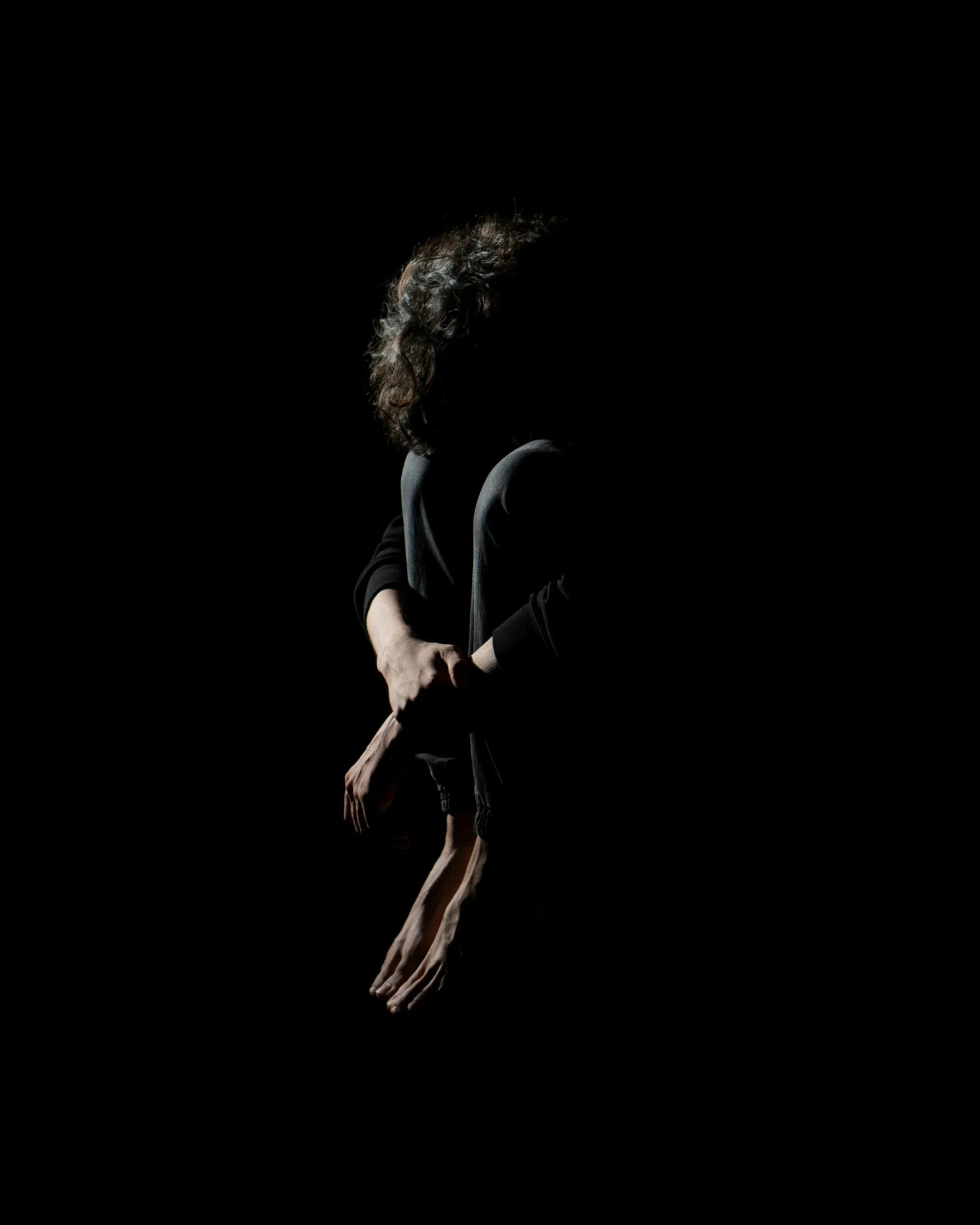
In the glow of daylight, I fought back. I invented stories on Mama Jean’s typewriter—stories where the monsters were defeated, where the lonely girl found her place. I typed until my fingers ached, until the room felt less dark, until the monsters went silent. For a while.
Years later, I realized the monsters were never gone; they simply changed form. As a child, they took shape in the shadows of a new bedroom. As an adult, they hid in the recesses of my memory, emerging during moments of doubt or fear. But back then, the typewriter gave me a tool to face them. Every clack of its keys was an act of defiance, a small victory against the unseen forces trying to pull me down.

The Ice Cream Lady
As a child, I couldn’t grasp the complexities of trauma or why it settled in my young heart like a heavy fog. I just knew I felt out of place, carrying a sadness that words couldn’t capture. The adults around me, though filled with love, were navigating their own struggles, leaving me to wrestle with emotions I couldn’t name. It wasn’t until years later that I began to see the puzzle of our family more clearly—the way each of us carried pieces of resilience and unspoken pain. Through it all, Mama Jean’s typewriter became my silent confidant, the one place I could pour out my tangled thoughts and begin to make sense of my world.
A Canopy of Shadows
In Amarillo, nothing felt familiar—not the suburban streets, not the orderly rows of houses, and certainly not the buildings stacked atop each other like bales of hay in the city’s heart. I had come from a place where life sprawled outward—fields stretching to the horizon, barefoot days spent chasing fireflies, and people who spoke in the rhythm of cicadas. Here, everything rose up, as if the world were trying to press me into the ground.
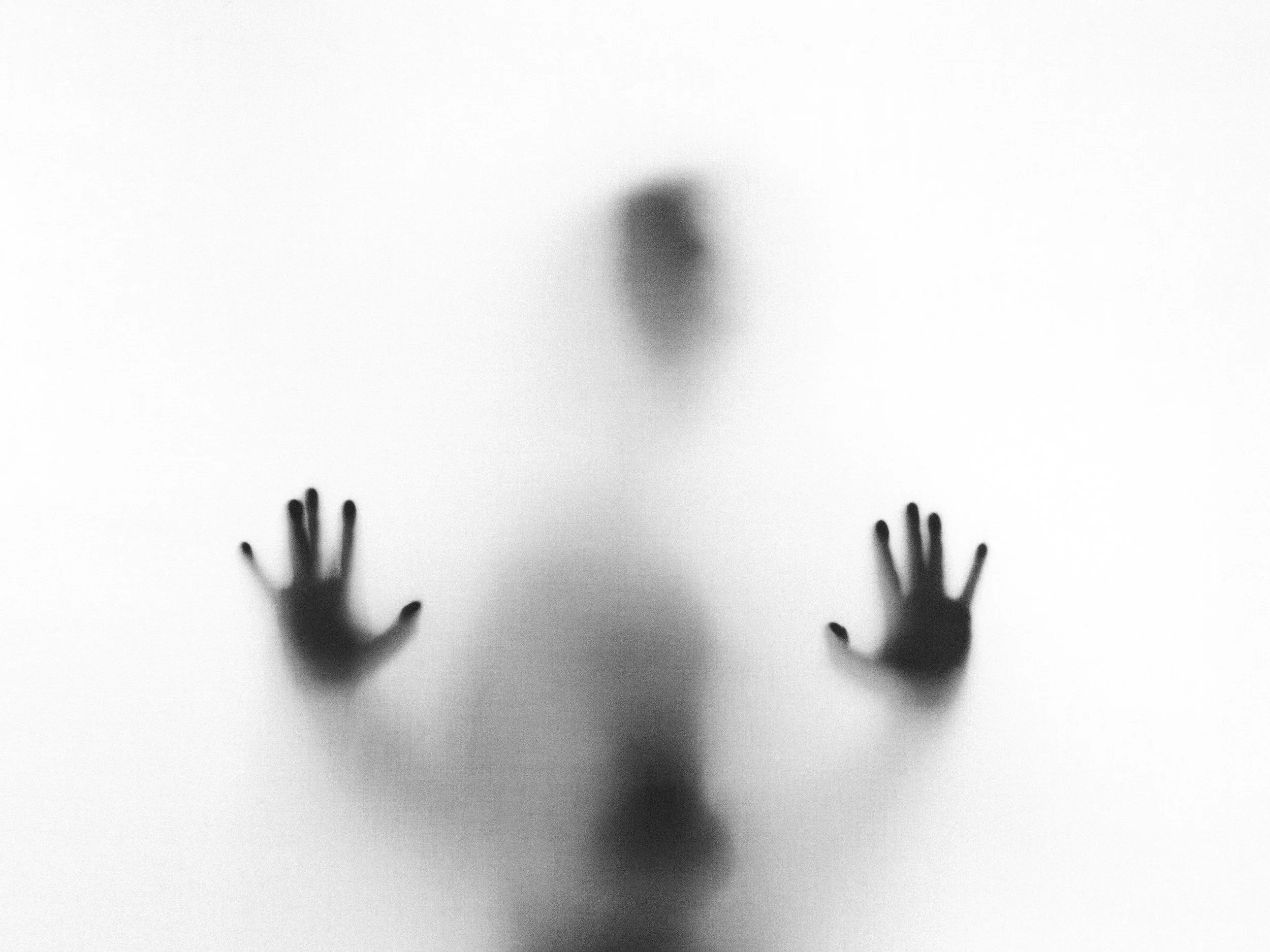
I didn’t fit. My clothes, my accent, even my wiry frame marked me as different. I was the redneck farm girl who didn’t understand why sidewalks replaced dirt paths or why the sky seemed smaller here. At night, the shadows cast by streetlights through the canopy bed’s frilly lace convinced me that monsters lay in wait. By day, those same monsters followed me into classrooms where my sharp mind didn’t help me make friends, only made me more of an outsider.
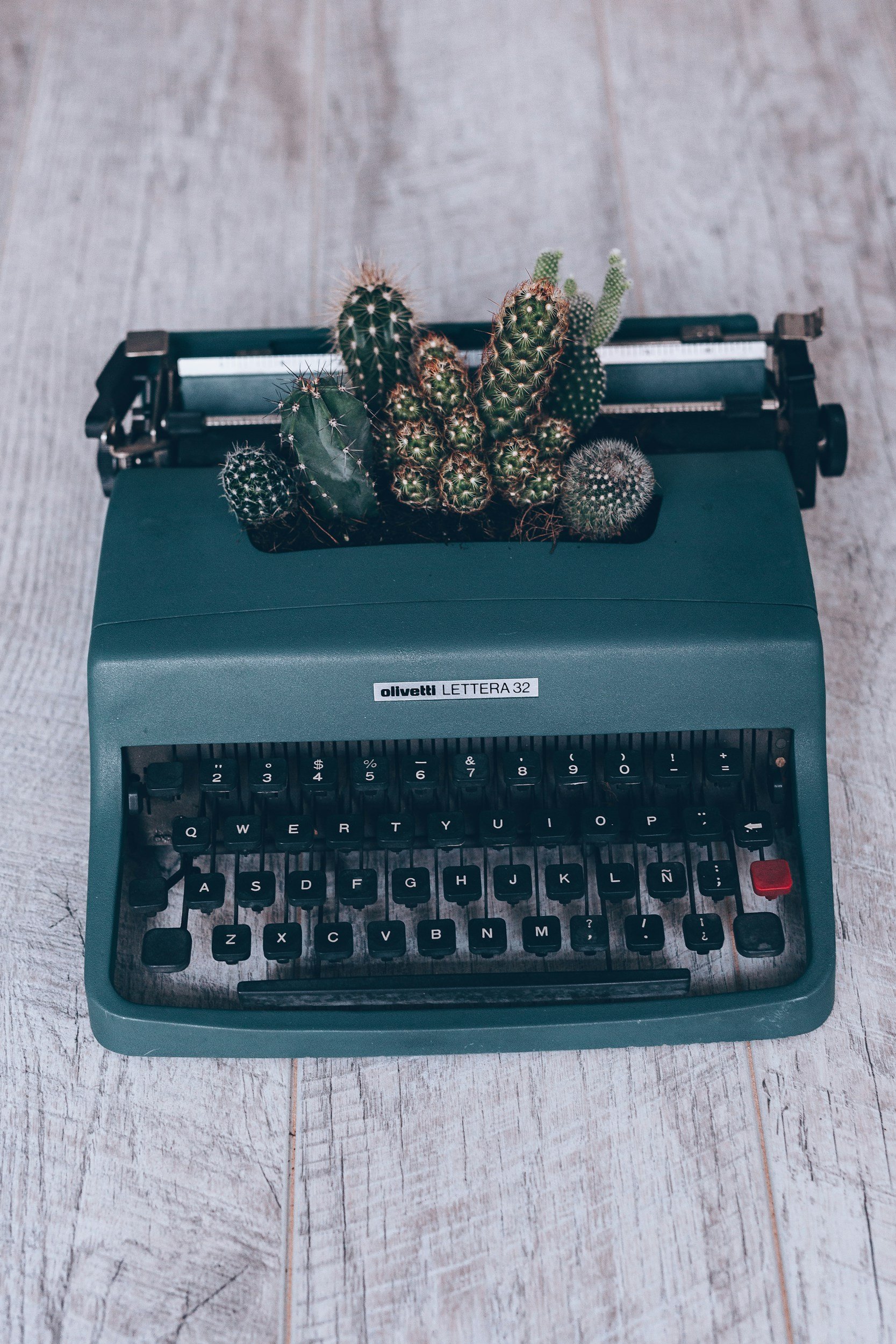
The typewriter became my sanctuary. Its keys were solid and predictable, a grounding rhythm I could control in a world that felt like a storm. When I pressed down, the letters landed on paper in neat, orderly lines, as if it were possible to make sense of things after all.
Mama J Had a Typewriter
The clack of the keys became a comforting rhythm, a way to channel the restless energy of my young mind. Soon, the typewriter became my escape—a tool to make sense of the chaos swirling around me.

-
Leigh
William
- Jun 23, 2026 Do You Recognize Courage as Much as You Recognize Success?
- Jun 21, 2026 A Google Search, a Dissertation, and the Cost of Waiting
- Jun 21, 2026 When Light Meets Lineage: Fatherhood, Healing, and the Summer Solstice
- May 22, 2026 When the Diagnosis Comes: Parenting Neurodiverse Children Abroad
- Apr 8, 2026 I Want to Be Held Too
- Apr 7, 2026 The Man Who Told Me He Was Legally Insane at 30,000 Feet
- Mar 20, 2026 When They Wander: A Mother’s Heart
- Mar 4, 2026 Stirring the Pot: Nourishment as an Integrative Practice
- Feb 10, 2026 When History Speaks Through the Body
- Feb 9, 2026 Why the Epstein Coverage Is Triggering So Many Women
- Jan 28, 2026 Freedom, Fear, and the Child Beneath the Politics
- Jan 26, 2026 grIef
- Jan 24, 2026 In My Element and Learning to Adapt
- Jan 17, 2026 Adaptation in Daily Life
- Jan 10, 2026 2026 Word of the Year: Adaptation
- Nov 18, 2025 The Bad Parent Myth: The Achilles Heel of a Neglected Child
- Nov 16, 2025 November 16th: The Body Remembers
- Nov 10, 2025 WAVE: Finding Healing in the Rhythm of Water
- Nov 7, 2025 When Conversations Get Hard: How to Stay Connected When It Matters Most
- Nov 7, 2025 Seeing What They Can’t Say: How to Read Your Child’s Visual Cues of Anxiety
- Nov 6, 2025 WAVE: Returning Home
- Oct 19, 2025 Arrival
- Oct 18, 2025 Writing from the Water: A Season of Stillness and Study Aboard Simplicity
- Oct 9, 2025 When the Moon and the Body Lose Touch
- Oct 2, 2025 The Machine That Held Her
- Sep 19, 2025 When Humanity Becomes a Professional Advantage
- Sep 13, 2025 Chaos or Calm – Do I Still Have a Choice?
- Sep 3, 2025 Relevance: The Spark That Makes Learning Come Alive
- Aug 12, 2025 Can we talk about loneliness?
- Jul 6, 2025 When the World Feels Like Too Much: Regaining Control in an Overwhelming Time
- Jul 4, 2025 Financial Security Is Emotional Security
- Jul 2, 2025 Personal Safety Standards for Travelers: Why Boundaries Are Not Optional
- Jun 25, 2025 When Your Gut Says Go: Learning to Walk Away
- Jun 13, 2025 Ten Years After Cancer: Still Becoming
- Jun 13, 2025 What AI Will Never Be
- Apr 3, 2025 When the Body Speaks: On Trauma, Healing, and the Path to Prevention
- Mar 25, 2025 It Takes as Long As It Takes…
- Mar 22, 2025 Sailing Into Stillness / Segeln in die Stille
- Mar 4, 2025 Finding Stillness: Prioritizing Mental Health in a Chaotic World
- Feb 28, 2025 Artificial Intelligence, Stilts, and the Quill: The Truth About Tools and Talent
- Feb 27, 2025 The Power of Small Daily Mental Health Habits
- Feb 23, 2025 Recognizing Our Impact and Resisting Gaslighting
- Feb 9, 2025 Showing Up for Yourself: The Truest Form of Self-Care
- Feb 7, 2025 She Said +l+ He Said
- Feb 6, 2025 The Daily Discipline of Self-Love: Nourishing Your Soul Beyond Bubble Baths
- Feb 1, 2025 Because You Asked: Marriage & Commitment
- Jan 31, 2025 Discovering Love: Embracing the Journey of Self-Exploration This Valentine’s Day
- Jan 31, 2025 Diary Entry: The Weight of Humanity, A Coruña, Spain – Day 3 (Also Shared in Adventure & Sailing)
- Jan 30, 2025 January Reflections: A Cozy Start to 2025
- Jan 22, 2025 Finding Joy Through Grief: A Journey Toward Healing and Peace
- Jan 21, 2025 The Strength of Unity: A Reflection on American Values
- Jan 21, 2025 The Power of Small Change: Why It’s Often Easier to Change Everything Than One Simple Thing
- Jan 20, 2025 The Weight of Freedom: Reflections on Democracy and the American Inauguration
- Jan 19, 2025 The Power of Community: How Support Lifts Us Up on the Journey of Transformation
- Jan 18, 2025 Embarking on a New Writing Adventure: The Journey Begins with The Life of Evelyn Grey
- Jan 18, 2025 When Change Feels Like the Only Way Forward: The Power of Small Shifts and Radical Transformation
- Jan 17, 2025 Call Me M.O.M. - Maker of Magic
- Jan 17, 2025 Boarding Pass Poetry
- Jan 17, 2025 Never Give In: Reflections on Motherhood and Identity
- Jan 17, 2025 The Dance of Avoidance: A Lightworker’s Lesson
- Jan 13, 2025 The Turning Point
- Jan 12, 2025 Finding Balance
- Jan 12, 2025 The Garage Ballet
- Jan 11, 2025 Facing Our Fears: A Journey Through Vulnerability, Strength, and Healing
- Jan 11, 2025 The Truth About Failing (and Why You Should Keep Doing It Anyway)
- Jan 11, 2025 Beyond the Frame: Finding Meaning in Words and Connection
- Jan 10, 2025 A Life Reclaimed
- Jan 7, 2025 The Gift of Movement: Compassion, Kindness, and Grace
- Jan 5, 2025 What Will You Do When You Arrive?
- Jan 2, 2025 Journal Entry: December 30, 2024
- Dec 31, 2024 Goal Setting for the New Year, A Personal Reflection: December 31, 2024
- Dec 30, 2024 A Year's End: Gratitude, Growth, and the Path Ahead
- Dec 29, 2024 The Pause Before the Transition: Reflecting on the Year Gone By
- Dec 28, 2024 A Pause Between the Moments: Embracing Stillness
- Dec 27, 2024 The Beauty of Transition: Stepping into 2025 with Intention
- Dec 21, 2024 How to Create a Meaningful Holiday Celebration for Your Family (Without Losing Your Sanity)
- Dec 21, 2024 2024 Christmas Recipe Collection: Embrace Imperfection, Family, and the Quiet Joys of the Season
- Dec 21, 2024 Embracing Imperfection and Building Meaningful Traditions
- Dec 20, 2024 NOVEMBER, DREADED NOVEMBER
- Dec 20, 2024 A Letter to the Muse of the Crowded Place
- Dec 20, 2024 The Sound of Healing
- Dec 20, 2024 The Leap into the Unknown
- Dec 20, 2024 Auntie S and the Driveway Dash
- Dec 20, 2024 Monsters in the Shadows
- Dec 20, 2024 The Ice Cream Lady
- Dec 20, 2024 A Canopy of Shadows
- Dec 20, 2024 Mama J Had a Typewriter
- Dec 19, 2024 Cultivating Resilience Through Life’s Challenges
- Dec 19, 2024 The Power of Intentional Living: Crafting a Life of Purpose
- Dec 19, 2024 How to Strengthen the Ties That Bind Us
- Dec 19, 2024 The Art of Family Connection: Nurturing Relationships in a Busy World
- Dec 19, 2024 Discovering the Ties That Bind Us
- Dec 19, 2024 Why Should You Read This?
- Dec 19, 2024 Why Do I Share?
- Dec 19, 2024 Why do I write?
- Dec 19, 2024 Welcome