Adaptation sounds like a big word, but it usually shows up in very small moments.
It begins with noticing. Noticing when safety has quietly turned into avoidance. There is a difference between resting and hiding. Rest restores you. It gives you strength to return to life. Isolation, on the other hand, can look peaceful while slowly shrinking your world. Adaptation starts when you become honest about which one you are practicing.
There was a time when pulling back was necessary for me. Silence helped me heal. Space helped me breathe. Limiting contact helped me find myself again. Those choices were not wrong. They were wise for that season. But seasons change. What once protected me could easily become what keeps me from living.
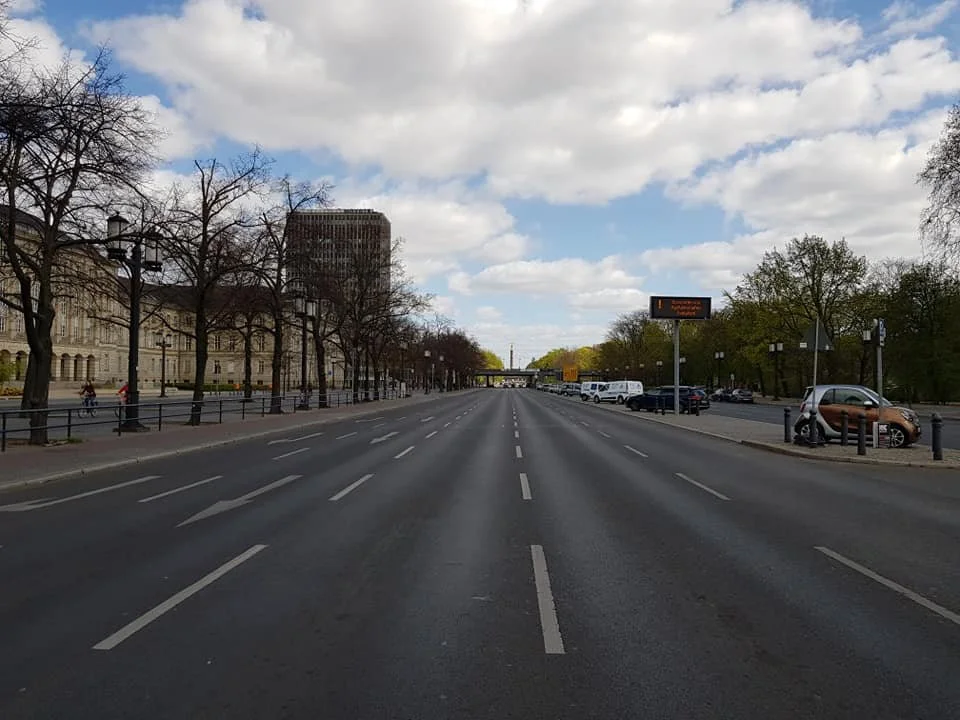
The empty streets of Berlin during Covid 19 lockdowns, a time when space and limiting contact was necessary for us all.
Adaptation is the moment you realize that staying away is no longer about healing. It is about fear. Fear of being misunderstood. Fear of being overwhelmed. Fear of losing the calm you worked so hard to build. Adaptation does not shame that fear. It listens to it and then gently moves anyway.
In everyday life, this can look very ordinary.
It can look like leaving the house even when staying in feels easier. Not for something dramatic, but for something human. A conversation. An errand. A shared meal. You go out not because you have to, but because you want your life to stay connected to other lives.
It can look like answering a message instead of postponing it for days. You do not have to pour out your whole story. You simply stay in the flow of relationship. You let yourself be part of the world again in small ways.
It can look like allowing your schedule to hold both quiet and people. You do not abandon the solitude that helped you survive. You place it beside connection instead of using it to replace connection.
Adaptation also means redefining safety. Safety is no longer only about being alone. It becomes about being honest. About choosing environments where you can be yourself without disappearing. About letting others see you without feeling like you must perform or explain everything.
A sentence that matters to me is this:
I do not need to disappear to be okay anymore.
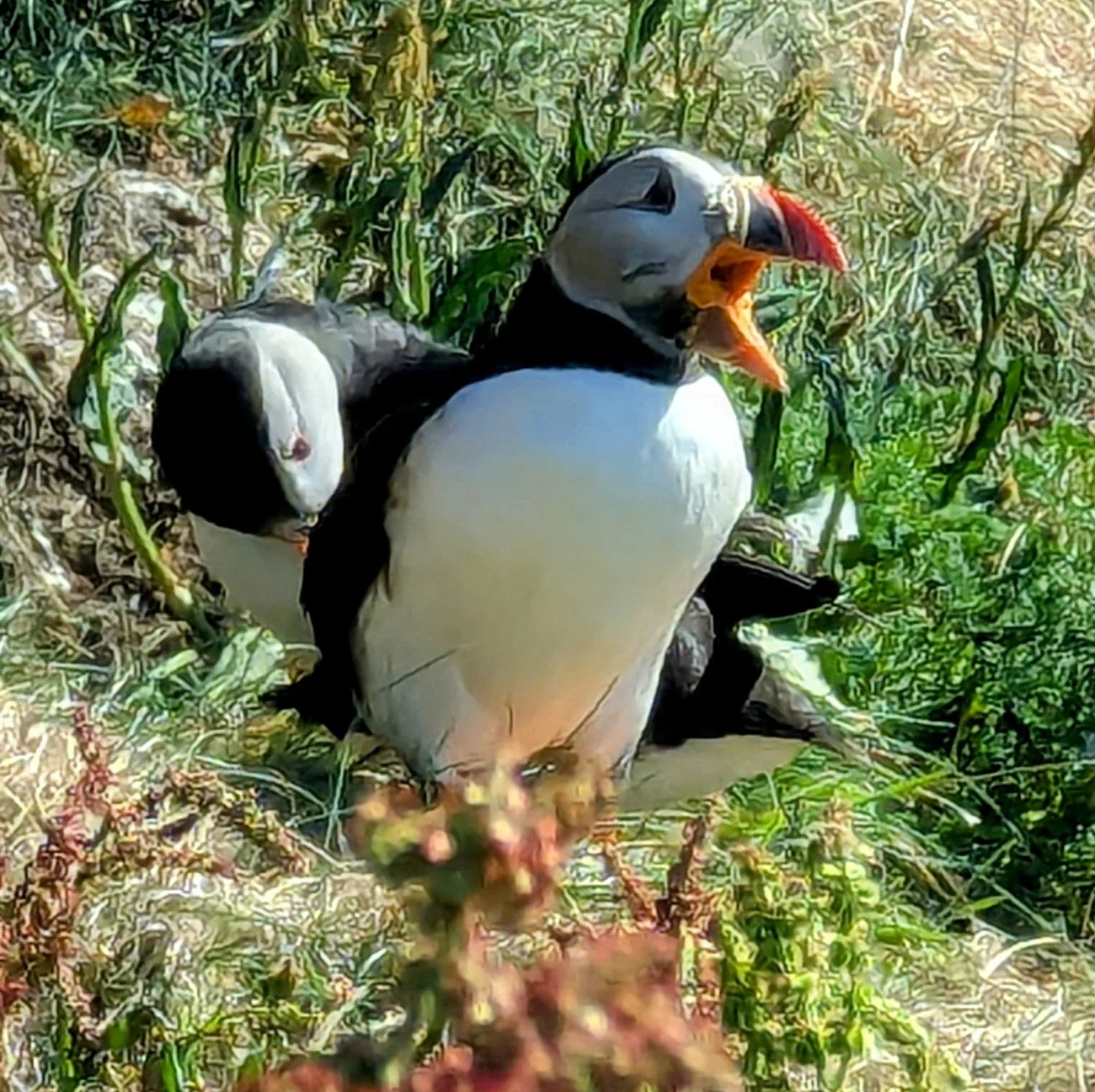
Such an opinionated little puffin on an island in Scotland. These puffins taught me so much about resilience, life, and adaptation.
That does not mean life suddenly feels easy. It means I trust myself enough to stay present. I trust that I can handle discomfort without retreating from everything. I trust that the world does not require me to vanish in order to survive.
Adaptation is not a dramatic transformation. It is a quiet shift in posture. From curled inward to gently open. From retreat to return. From shelter to shared space.
It is the daily choice to live instead of only recover.
And that choice, repeated often enough, slowly builds a new way of being. One where rest and connection can exist together. One where safety no longer depends on absence. One where healing makes room for life.
