Chaos or Calm – Do I Still Have a Choice?
By Leigh William

Recently, I was deep in conversation with my husband — one of those long, meandering ones that starts with a passing comment and ends up opening a doorway to something much bigger. We were reflecting on how much more chaotic life feels today compared to just a decade ago.
What struck us both was this: we don’t live in a household of hyperactive media consumption. We aren’t constantly doom-scrolling or glued to 24/7 breaking news. We stay informed — yes — because it’s important to us as individuals, parents, and community members. But we’ve always believed in a kind of thoughtful, intentional consumption of information. That used to feel like enough.
For example, when we lived in Texas many years ago, staying updated on the weather wasn’t just a casual habit — it was essential. Tornado season demanded attention. Similarly, when we sail, we rely on local weather reports to ensure the safety of our crew and vessel. And over the years, we’ve tuned into political debates not as entertainment, but as a means of being informed and engaged with the democratic process — both locally and globally.
As a multicultural household that has lived across countries and continents for over 30 years, our perspective has always been somewhat global. Even before the internet, we felt connected to the wider world. But something in the last 10 years has undeniably shifted.
It’s no longer just the volume of information — though that's part of it. It’s the effort it now takes to keep it out that’s exhausting. Information has become invasive, insistent, and omnipresent. It's no longer about choosing what to tune into — it’s about building real strategies to not drown in it.
Put it this way: it’s getting harder to tell what actually matters in the moment versus what’s just everyone rubbernecking at the latest drama. It’s like passing a car crash on the highway — you’re not involved, you’re just nearby for a second. But your body still reacts, like it’s somehow your emergency to deal with.
In truth, your well-being is better served by looking ahead, staying focused on your own road.
A Window Into Calm
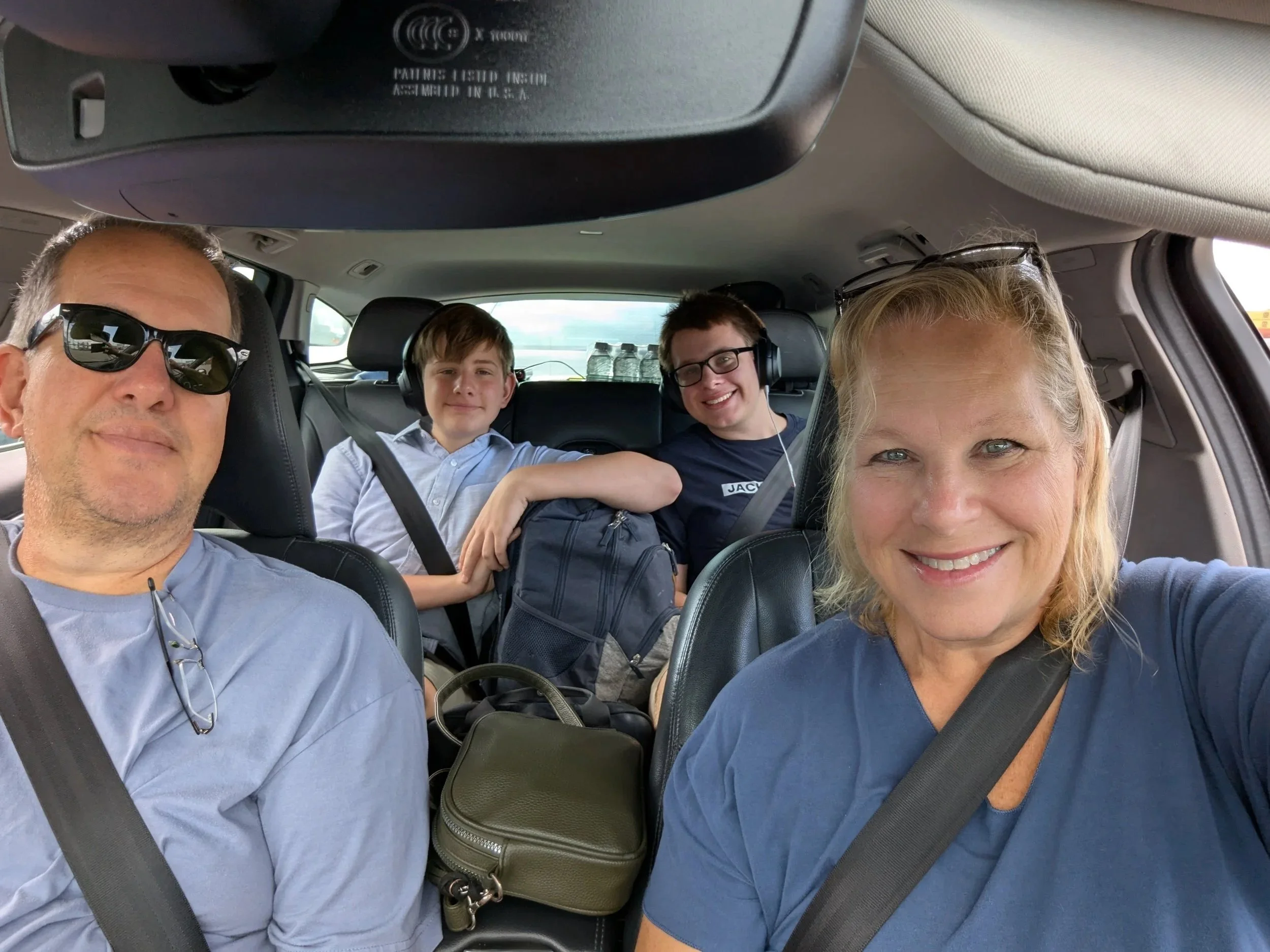
This summer, our family spent four weeks traveling through mainland Europe and the UK. We drove — sometimes on the left side of the road, sometimes on the right — packed into our not-so-huge (by American standards) Volvo V60: two adults, two teenage boys, and all our bags. If you’ve ever sailed, you’ll know that small spaces don’t scare us. We’re used to being in close quarters, navigating together.
But what stood out on this trip was how calm it felt.
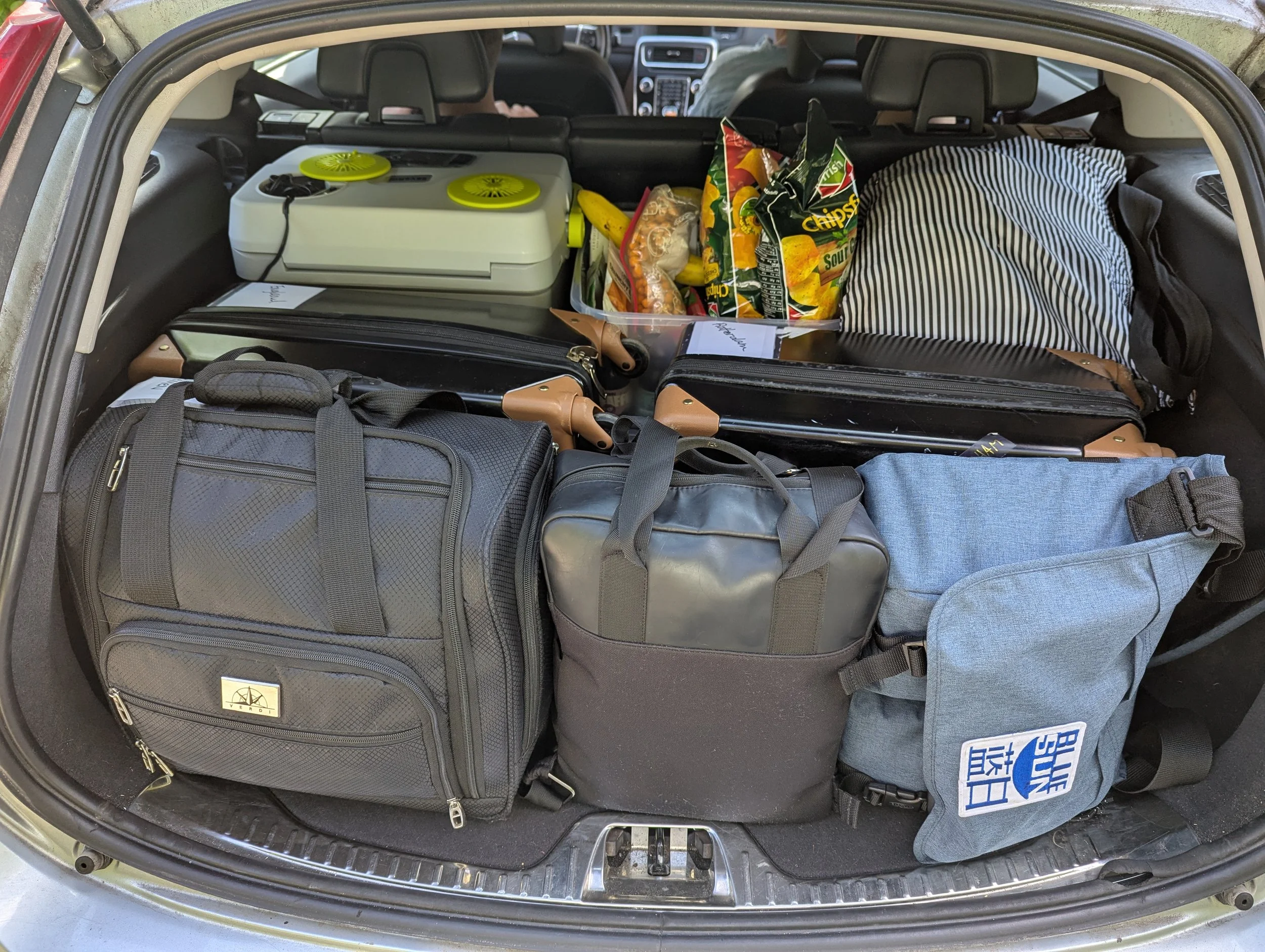
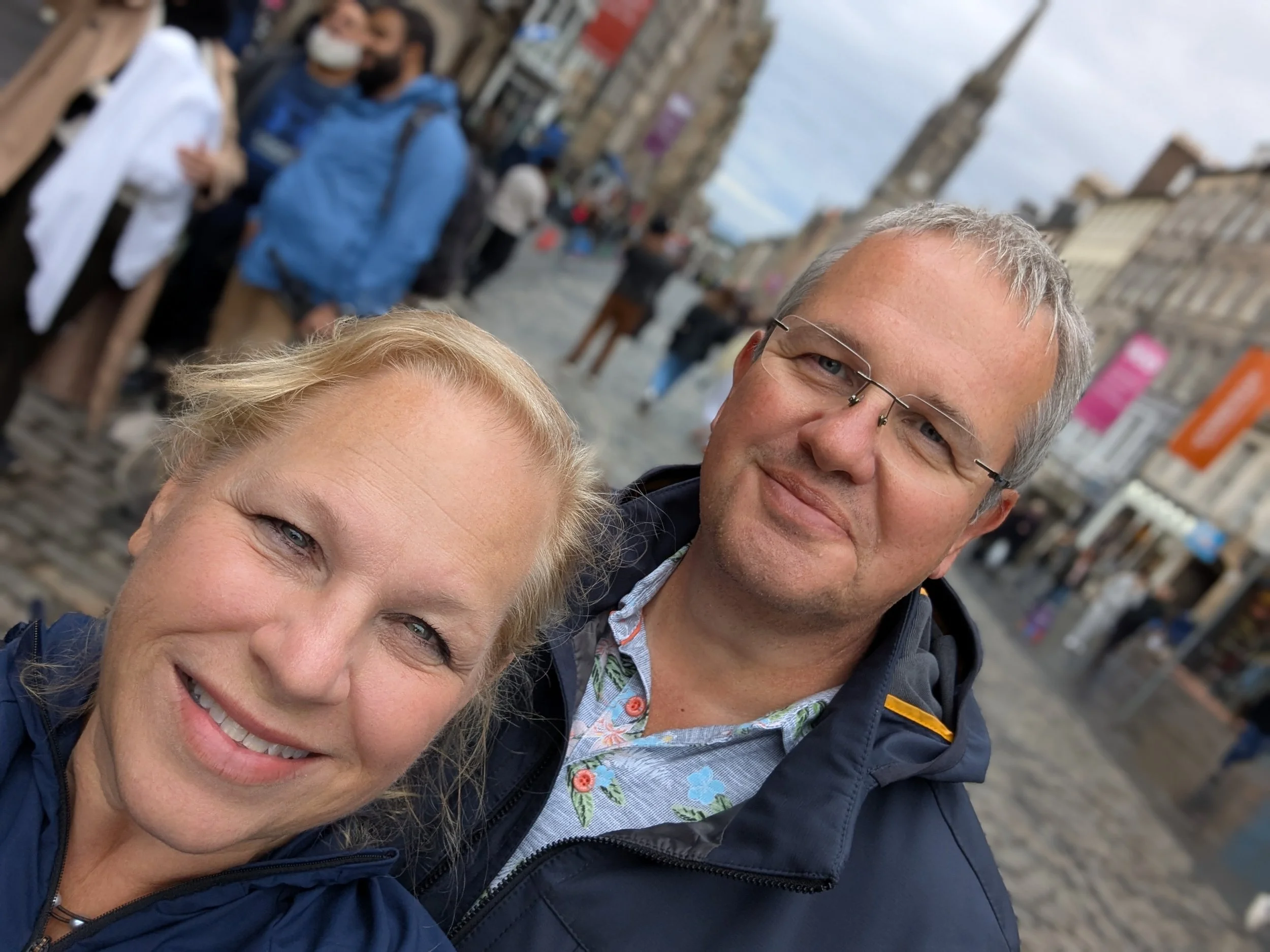
4 Weeks, 4 Williams, 5 Countries (6 if you count a quick drive into Sweden to catch a ferry)
Despite long drives, multiple ferry crossings, and a fair bit of logistical juggling, there was a noticeable peace within that small moving box on wheels. We listened to audiobooks. We played music. We told stories. We had conversations — the real kind — the kind we often have around our dinner table.
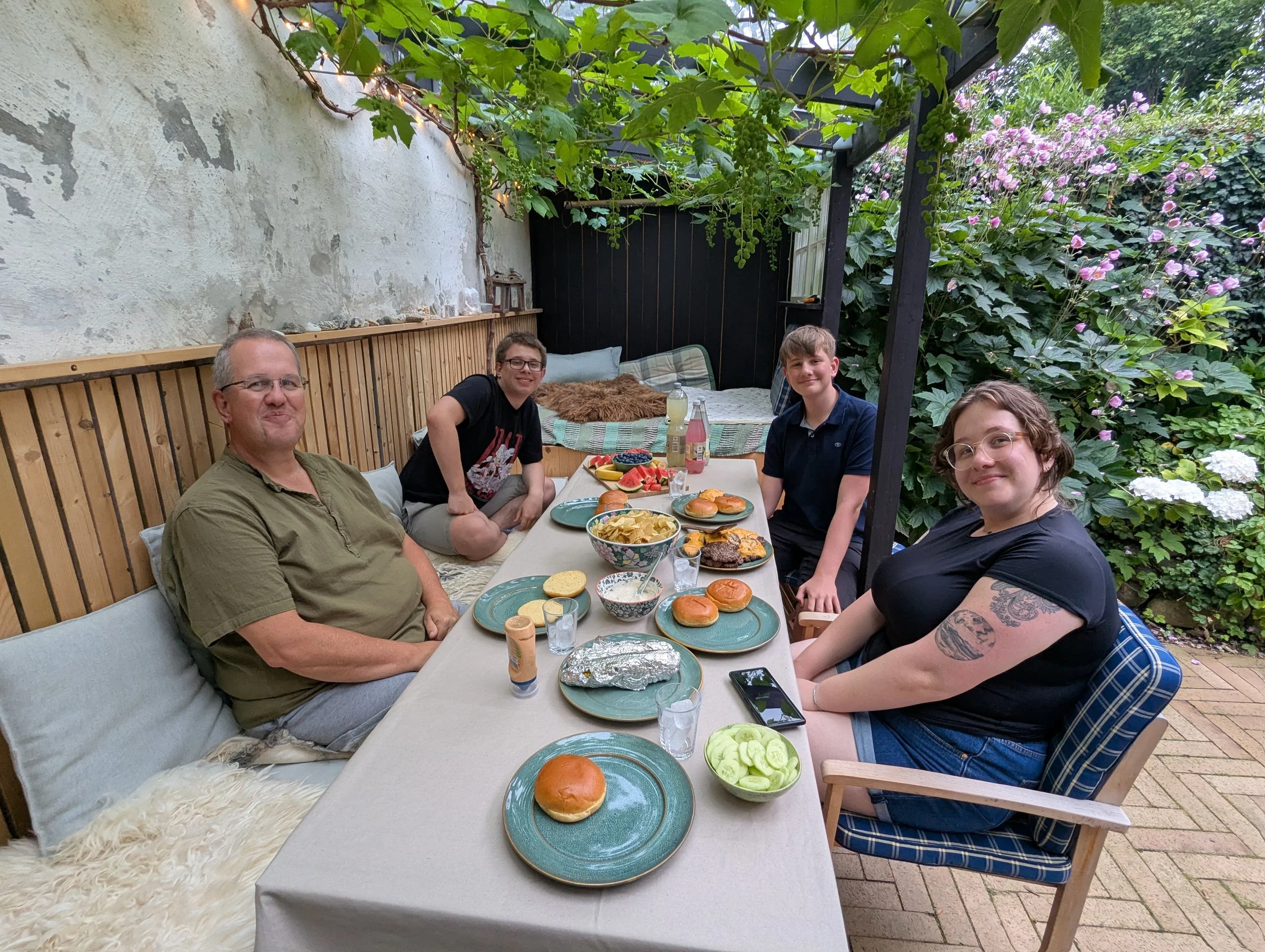
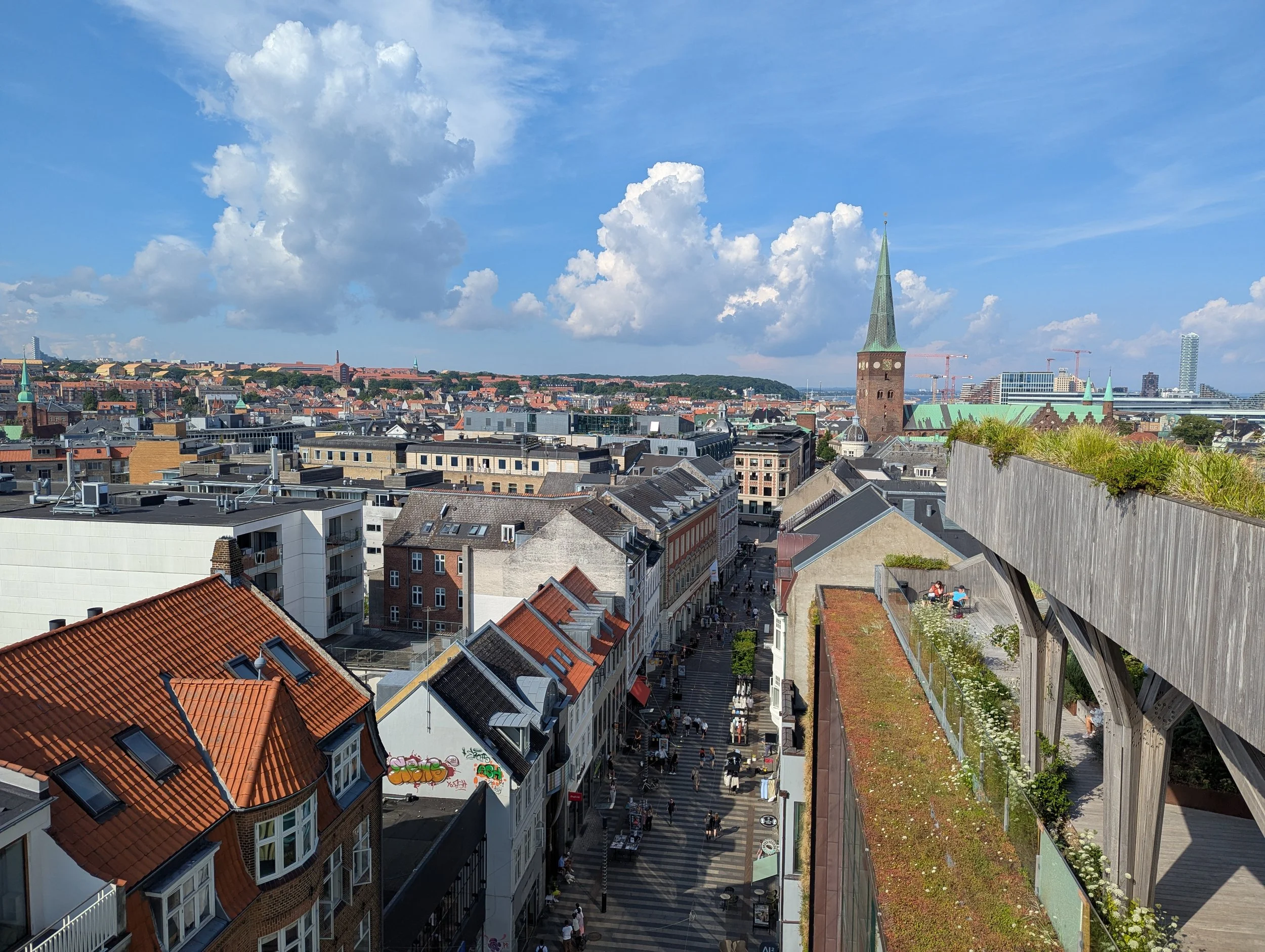
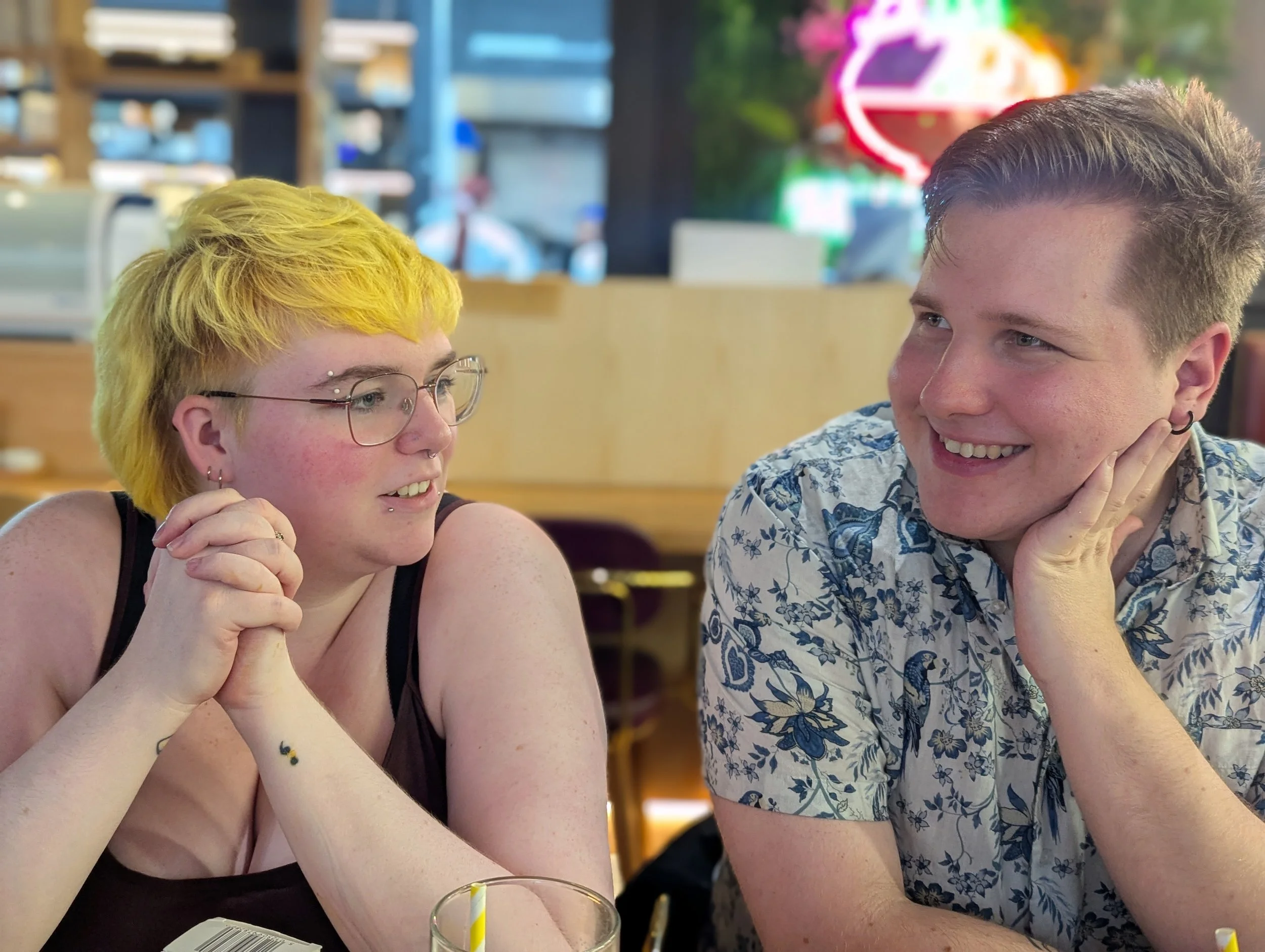
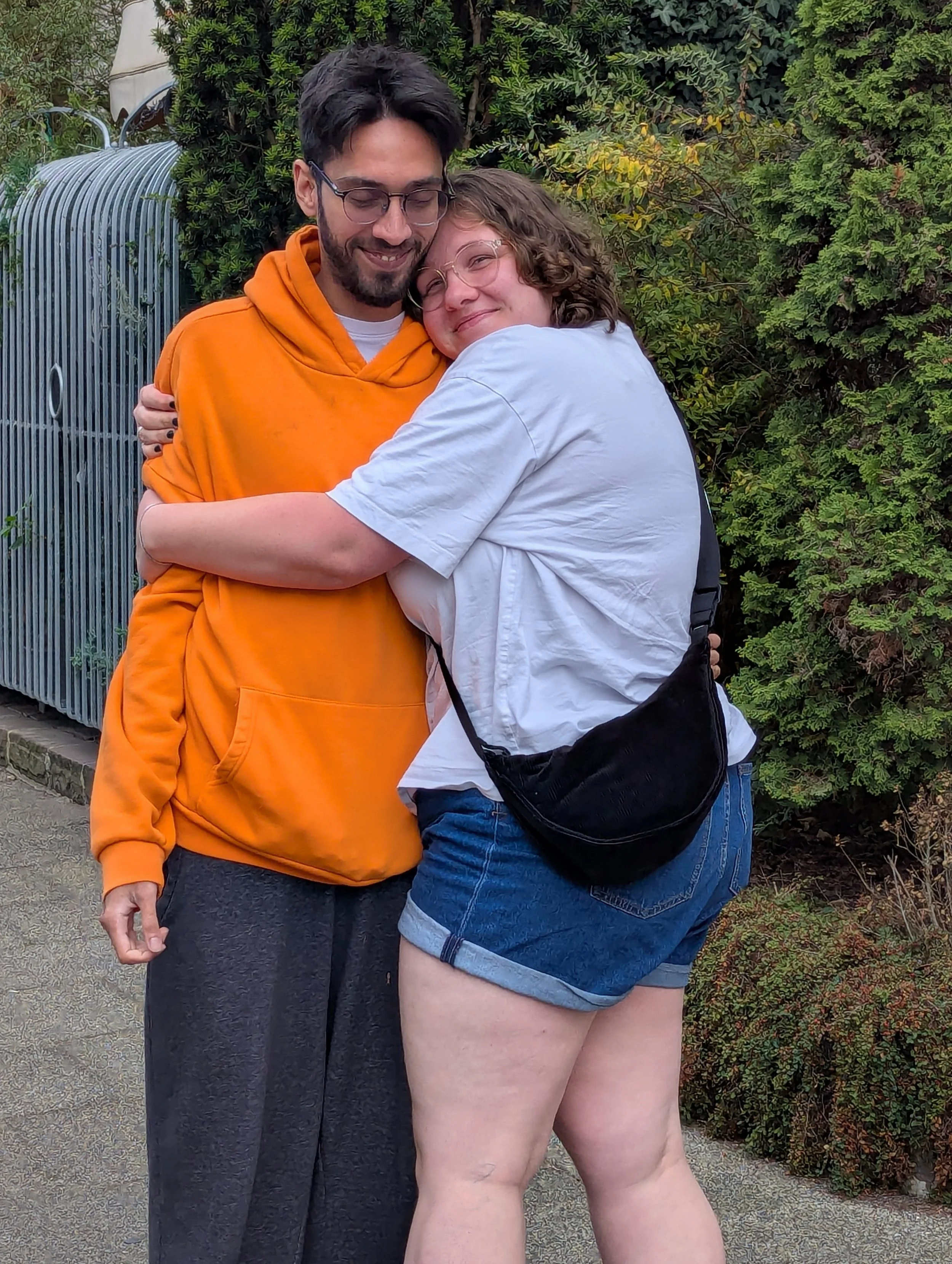
We visited our daughter, who was completing a summer internship at the University in Aarhus. What a great city for sailors!
It felt authentic. It felt connected. It felt good.
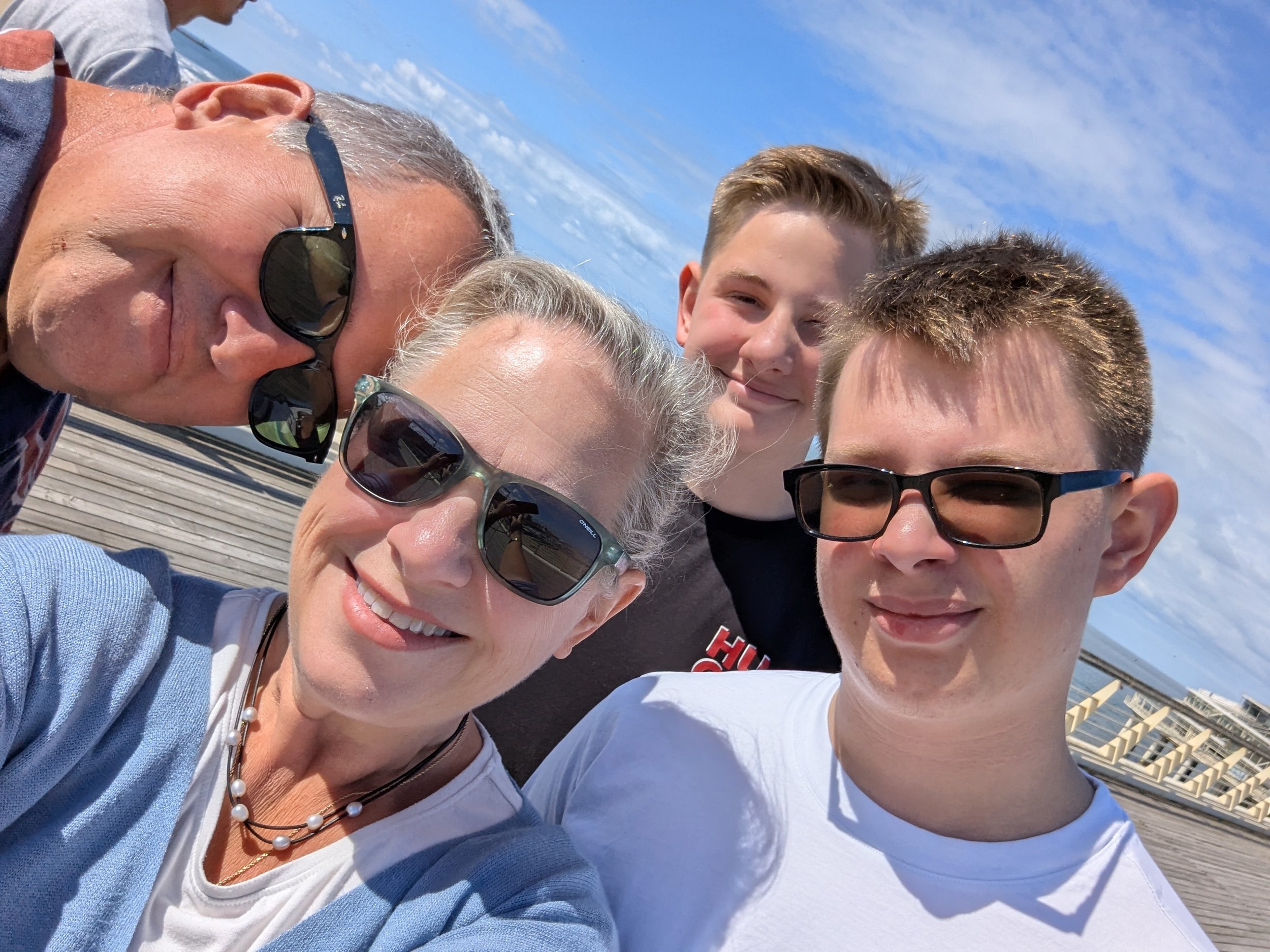
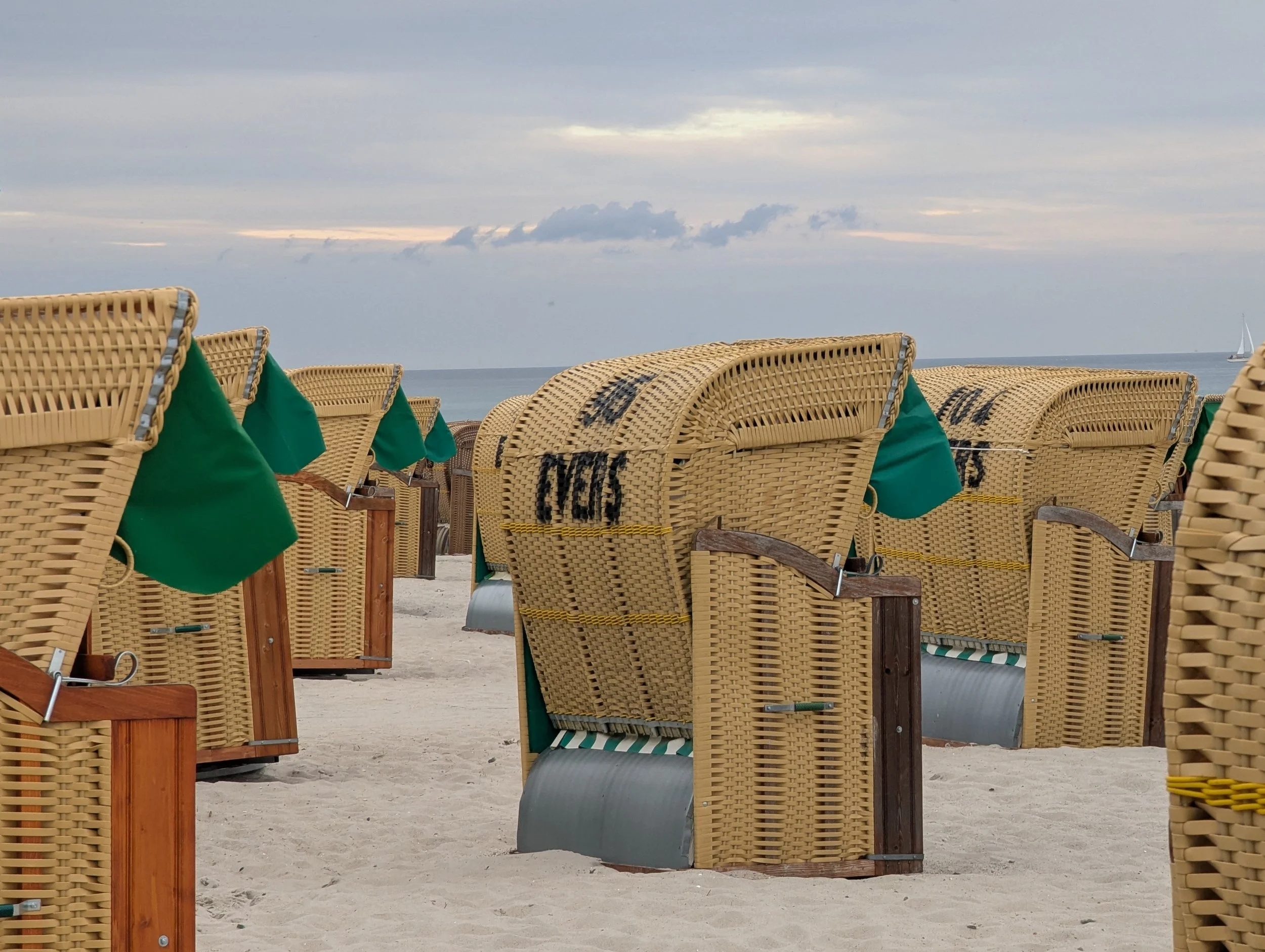
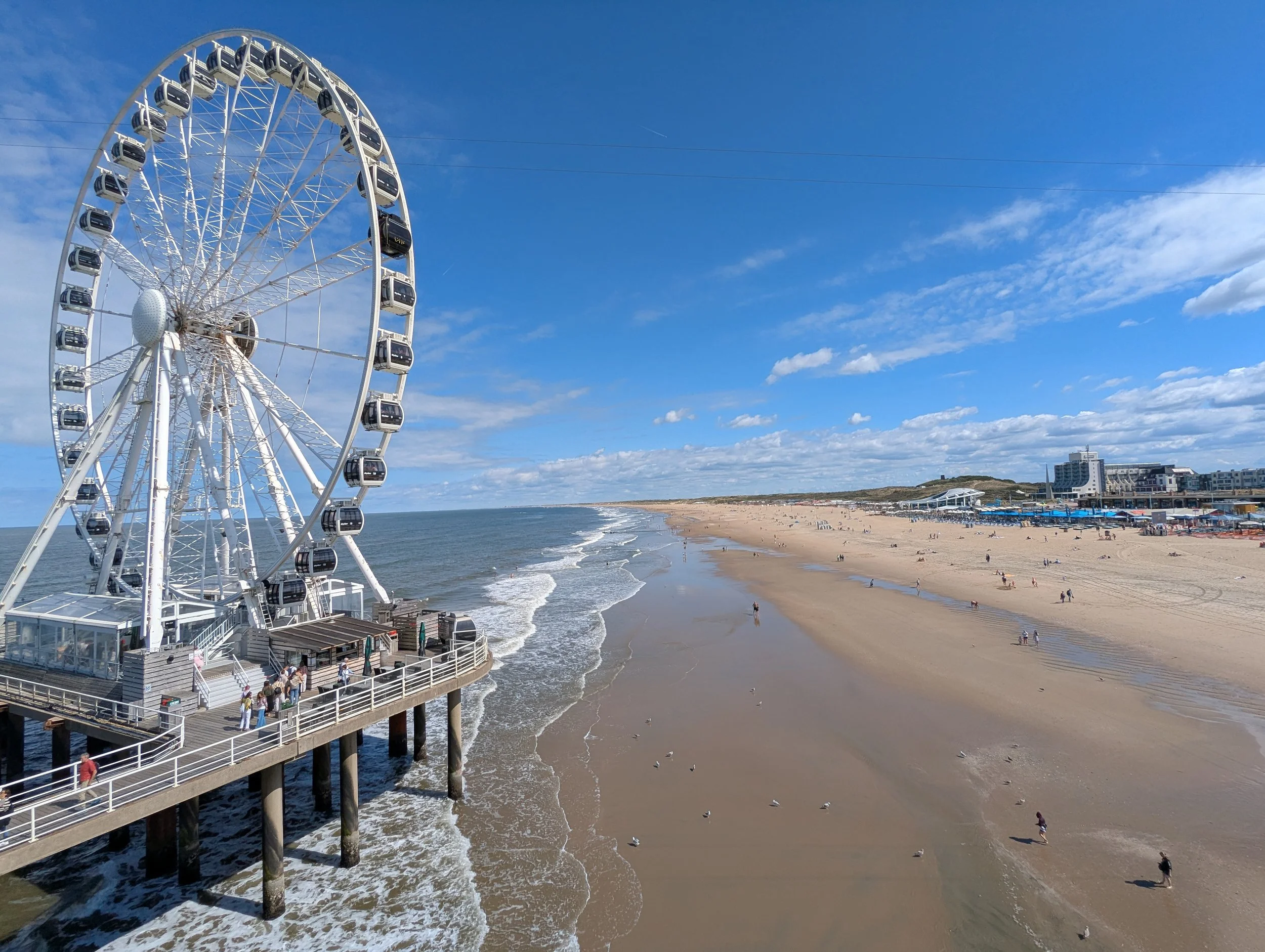
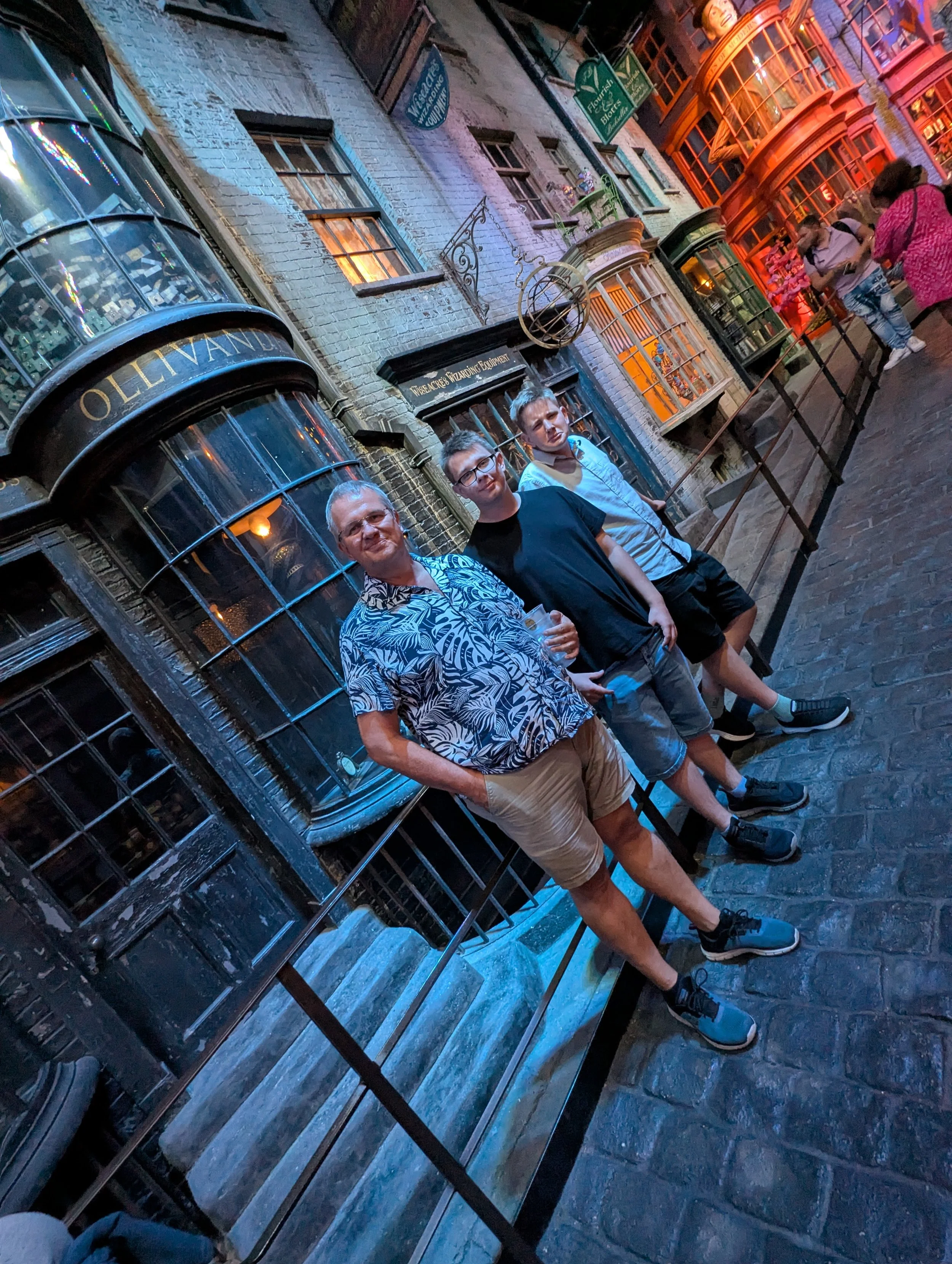
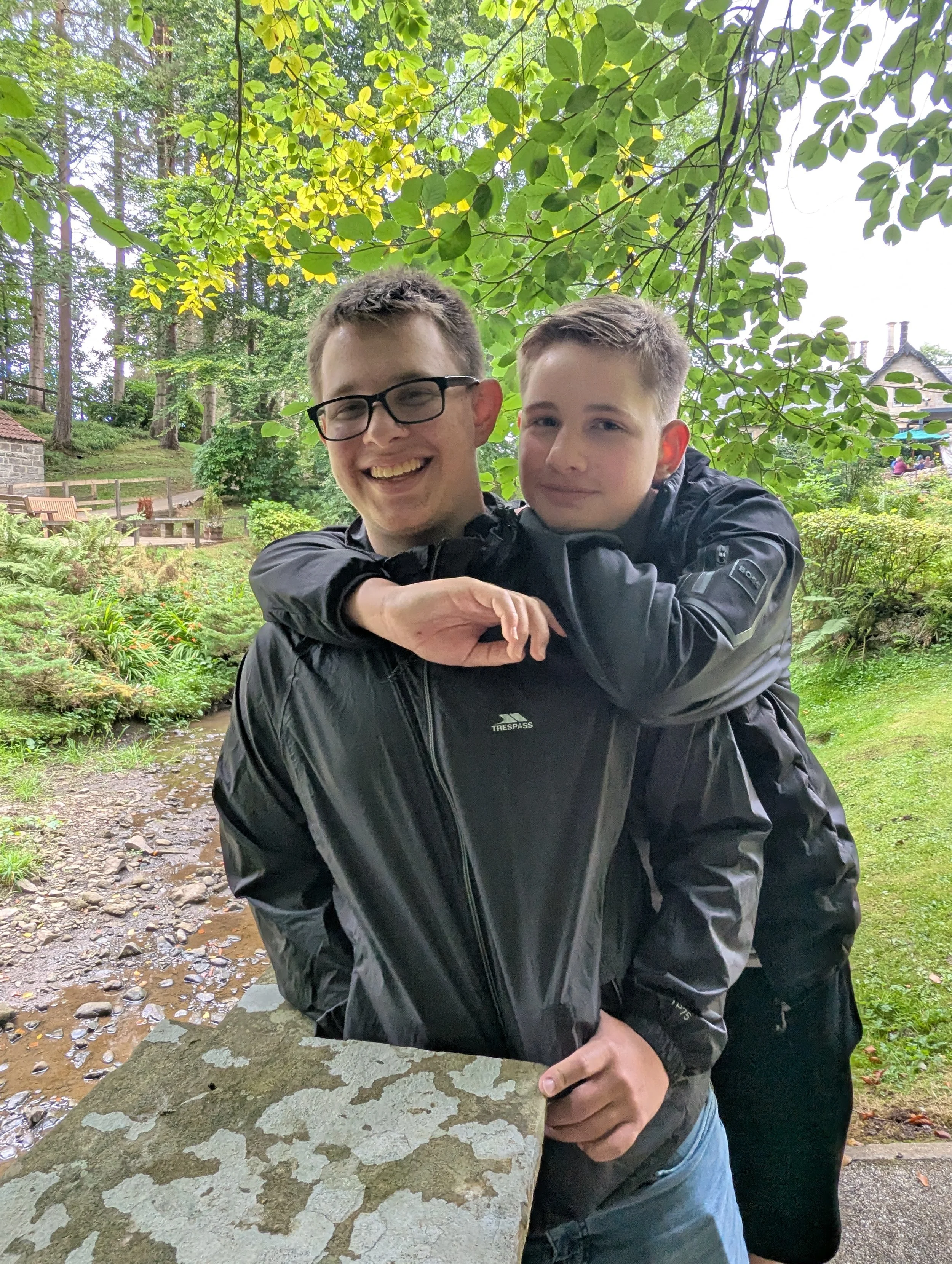
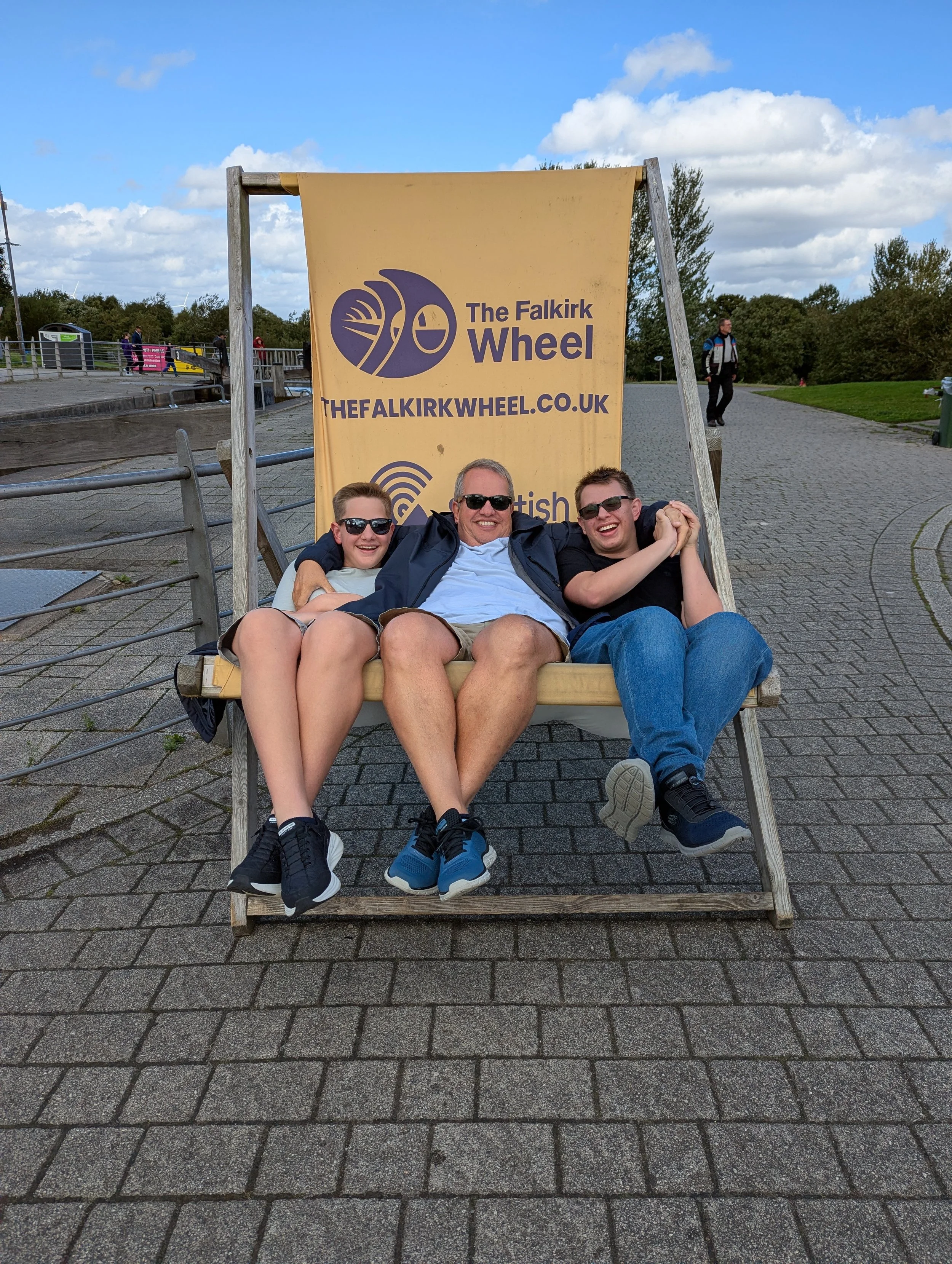
Me, my husband, and our youngest two sons enjoying a beautiful seaside village in The Hague. (August 2025)
But something strange kept happening. We would arrive at our next destination — city, village, or rural outpost — unpack, explore, and within hours, we could feel the difference.
Not because anything specific had gone wrong. It was just the energy — charged, tense, overstimulated. People were anxious, short-tempered, exhausted. Phones pinging endlessly. Service staff on edge. Strangers speaking with an undercurrent of defensiveness. It didn’t matter where we were. It was everywhere.
And we began asking ourselves: Do we still have a choice? Can we still choose calm in a world addicted to chaos?
The Newborn Analogy
Think about life with a newborn. You're running on fumes — sleeping in short, broken stretches, constantly alert to every cry, every need. There’s no rhythm, no predictability, no true rest. You adapt, because you have to. That tiny human depends on you. But it’s a season. You know it won’t last forever.

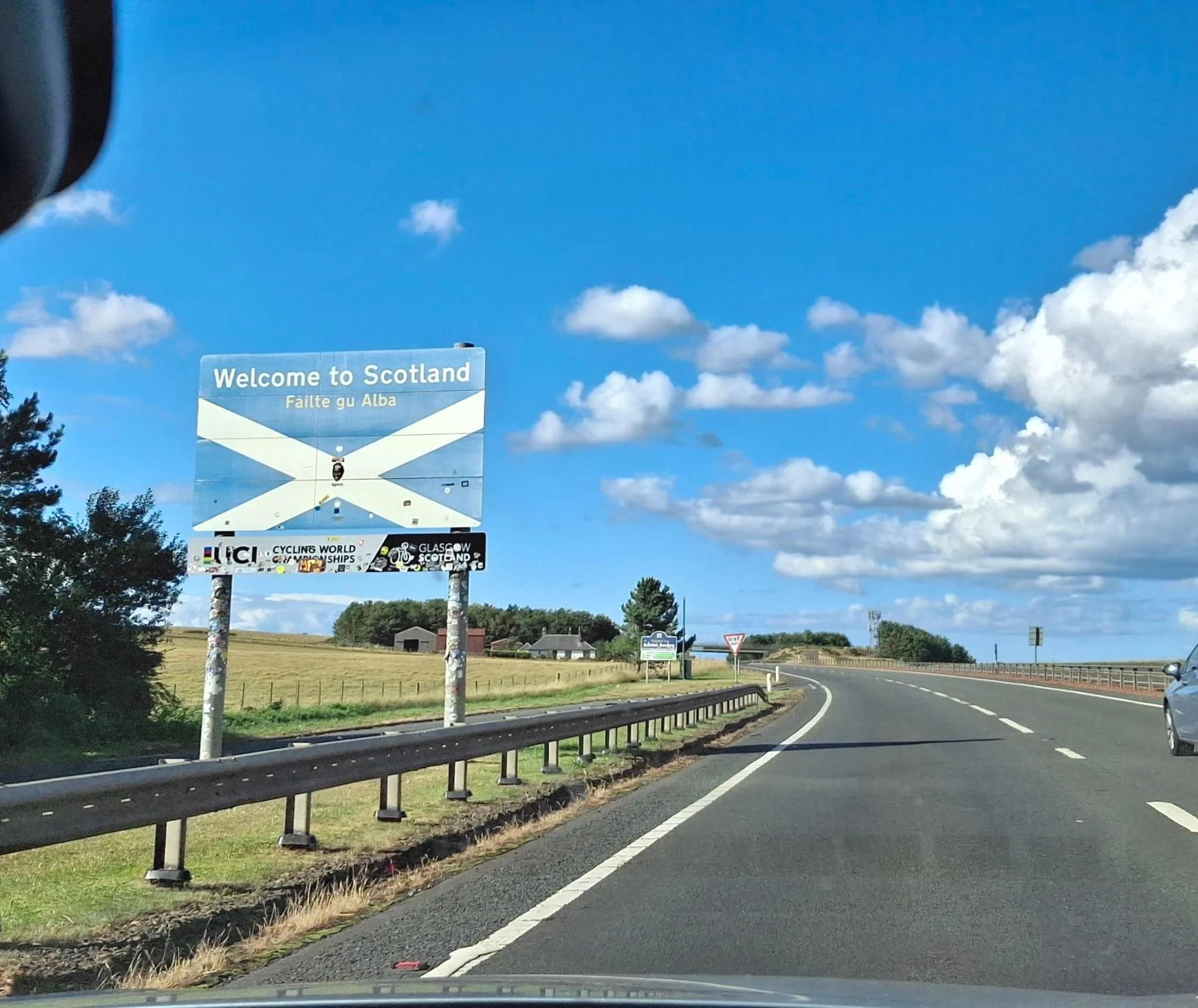
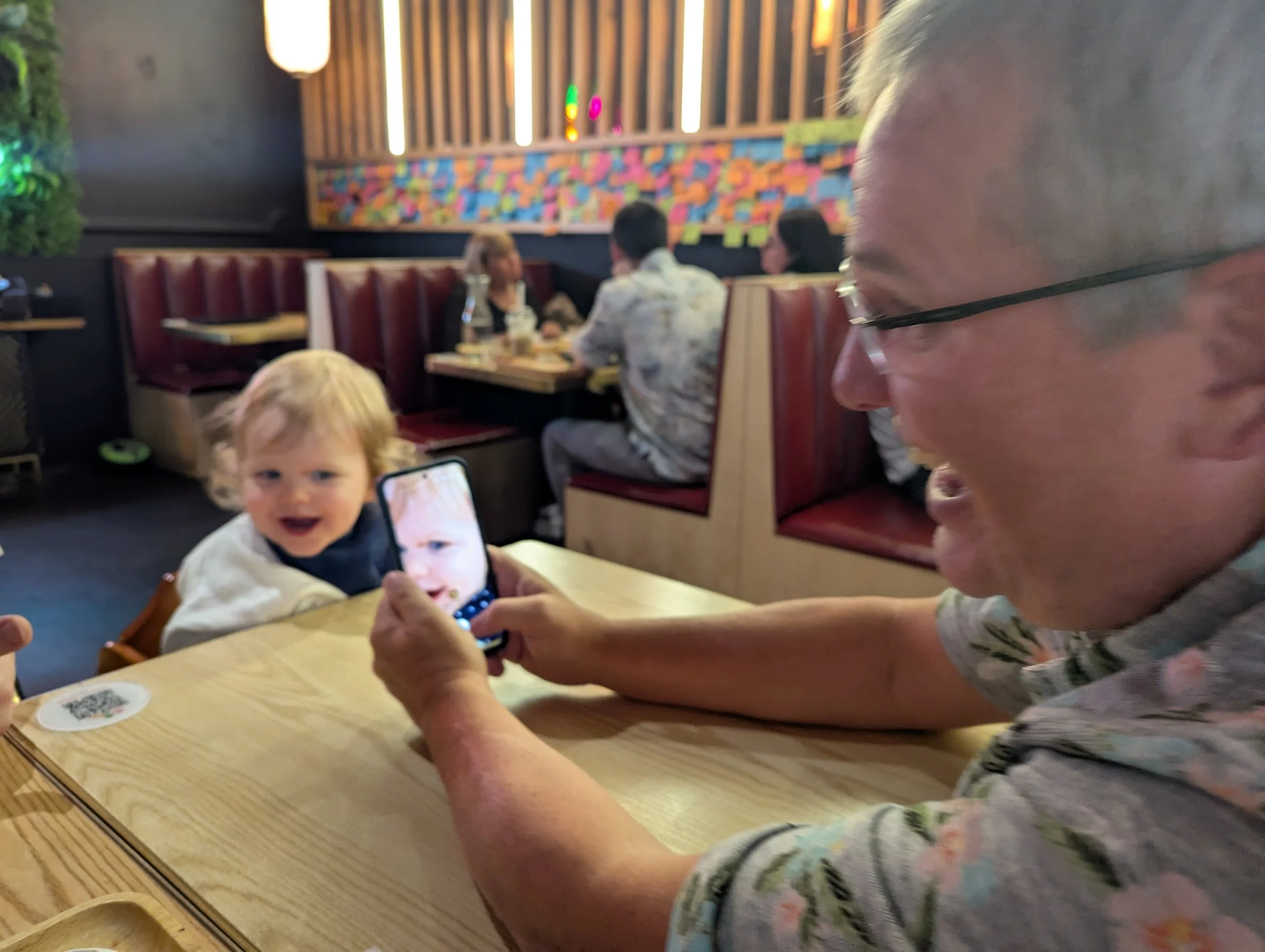
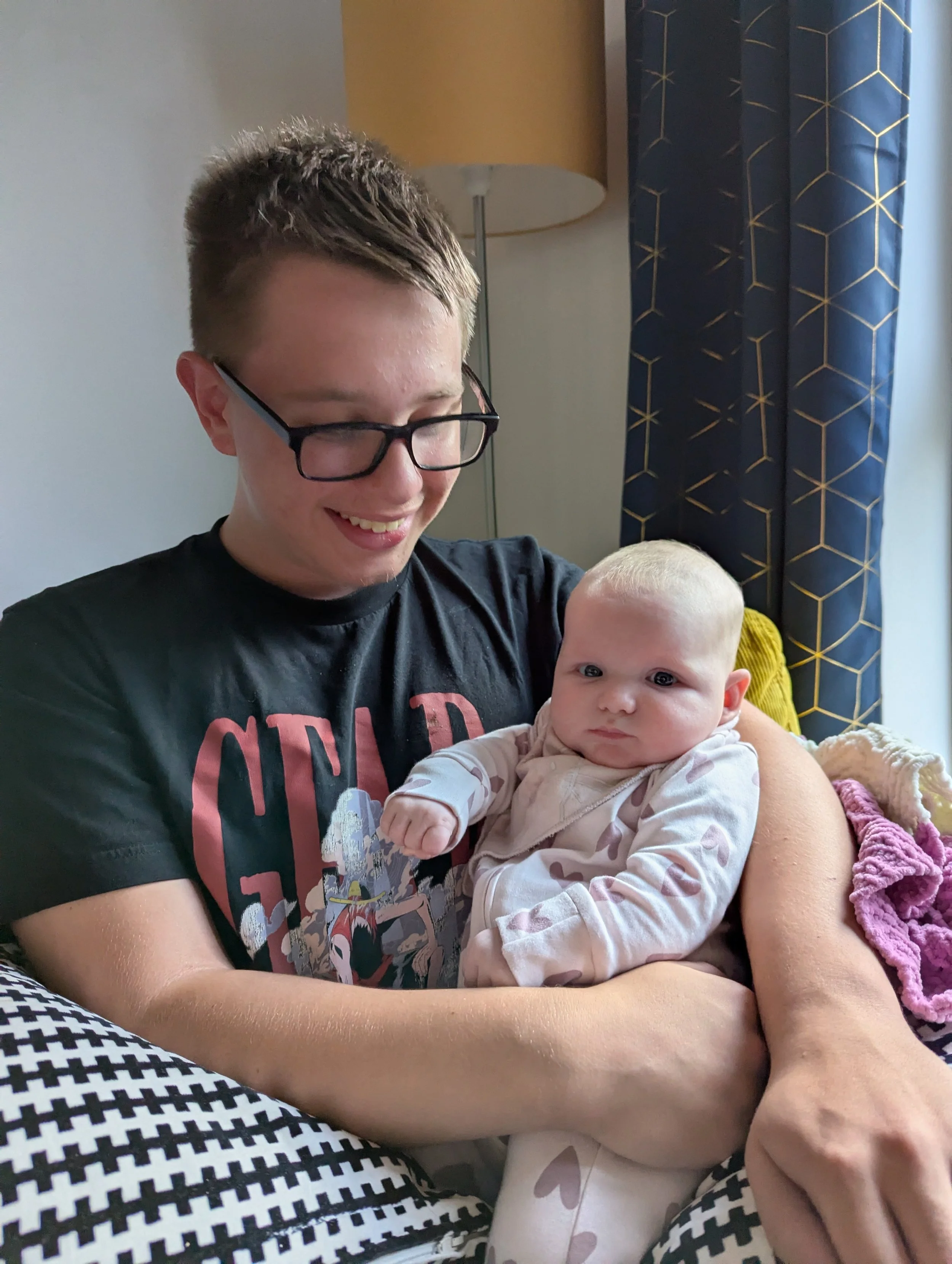
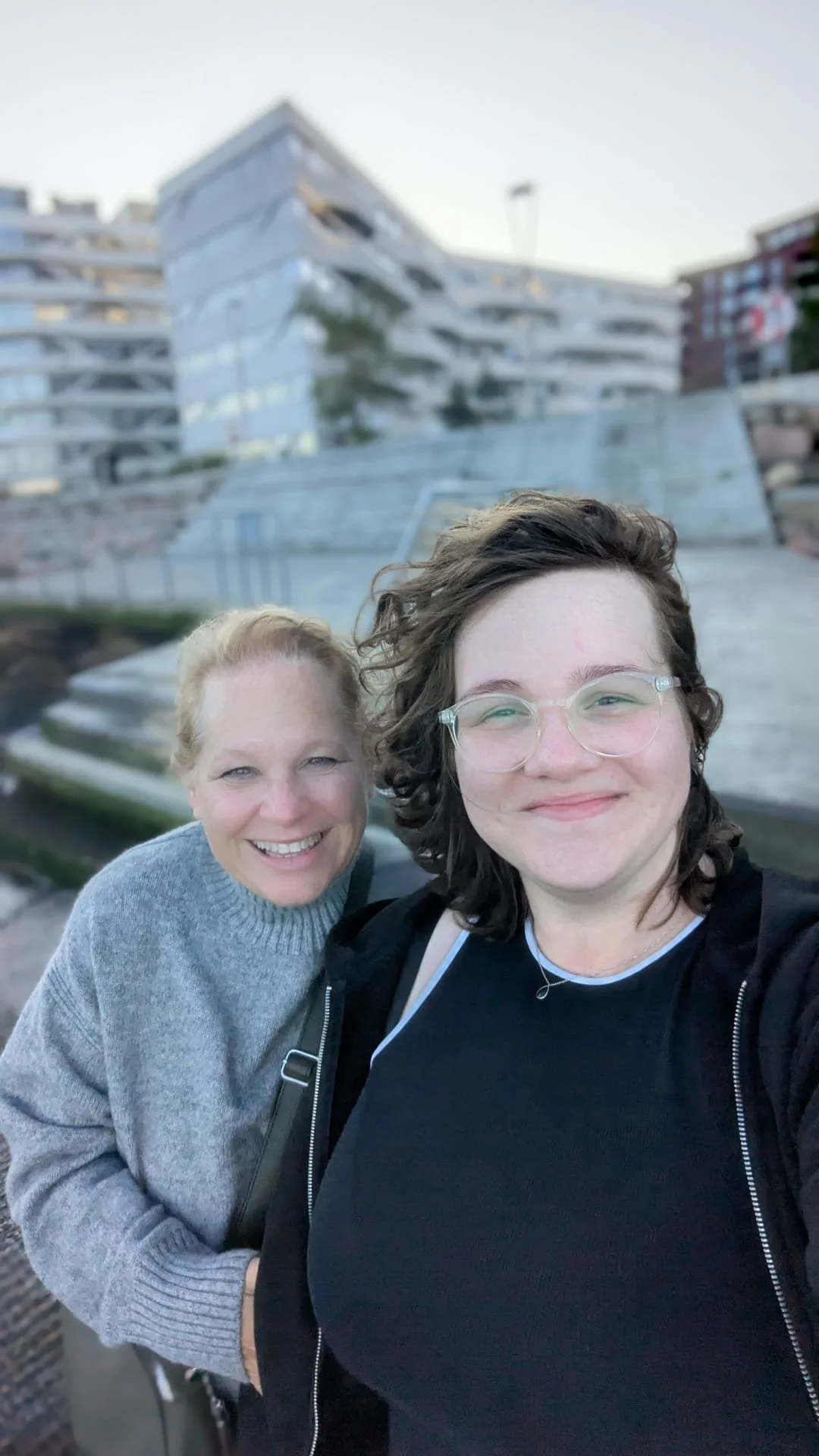
We drove to Scotland, where I had the absolute delight of meeting my very first granddaughter - our precious Hazel.
Now imagine if that state — the constant alertness, the interrupted sleep, the never-ending demands — didn’t end. Imagine if the world itself became the newborn. Always crying. Always needing. Always pinging, flashing, alerting — demanding your attention at every hour, no matter what you’re doing or how much you’ve already given.
What happens when that becomes the default way of living?
We’re no longer just tired — we’re depleted. Not because we’re uninformed or disengaged, but because the conditions we’re trying to live under are simply unsustainable. Physically. Emotionally. Spiritually. And unlike the newborn stage, there’s no clear end in sight.
Meditation teaches calm. Prayer invites calm. Deep sleep restores calm. And yet, our nervous systems are now so overstimulated, many people can’t even access those states. The constant ambient chaos has made calm feel elusive — and almost suspicious. When you find it, you wonder how long it will last. You brace for it to be broken.
So, Do We Still Have a Choice?
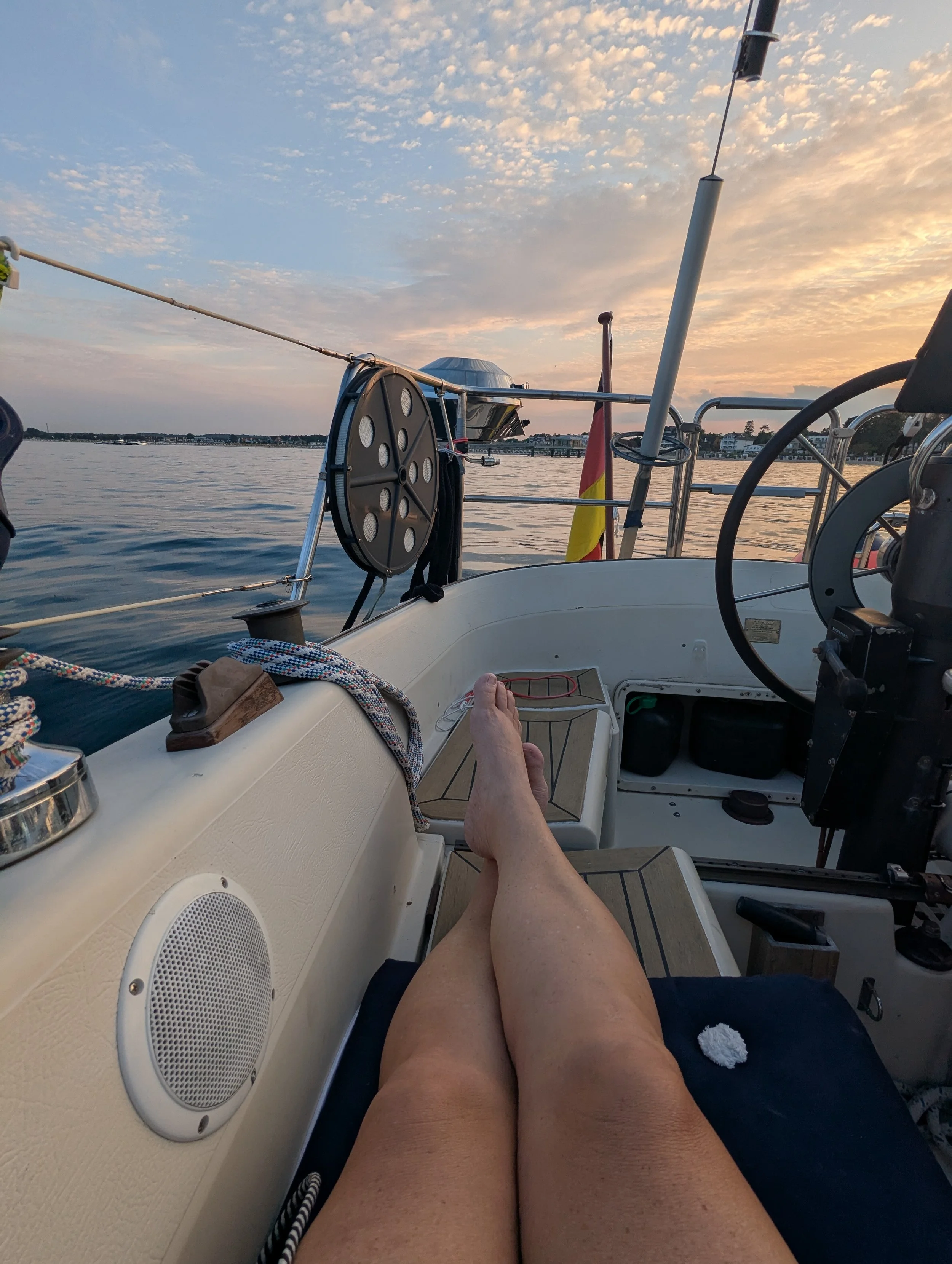
I don’t claim to have the answer. But I do believe it’s possible to find calm. I saw it in our car. I’ve felt it on our boat. I experience it around our dinner table.
But here’s the thing I can’t ignore: to access that calm, we had to literally shut the world out. We had to create a physical boundary, a small enclosed space where only our voices and our shared experiences were allowed in.
And while I’m grateful for that — I also find it heartbreaking. Should calm require such effort? Such retreat? After all, we don’t all have a boat where we can just sail away from it all.
We weren’t designed for this pace. The human brain and body are not meant to absorb, filter, and react to every global event in real time, every hour of every day.
We need to turn it off. We need to reclaim the off switch.
And honestly? Don’t even get me started on what this is doing to our kids. Their developing brains are flooded — a tidal wave of stimulation that even adults can’t navigate. It’s no wonder so many young people feel anxious, disconnected, and overwhelmed. They can barely breathe under the weight of it all.
I share this not as a how-to guide, but a reflection — an invitation, even — to look inward and ask:
What does calm feel like to you? And what does it take for you to find it — and protect it — in today’s world?
I’d love to hear your thoughts. Not just about screen time or media boundaries (although those are valid too), but about the bigger picture: how do we, as humans, reclaim our inner calm in an outer world that feels increasingly noisy?
Let’s start that conversation in our communities.
—
Leigh William
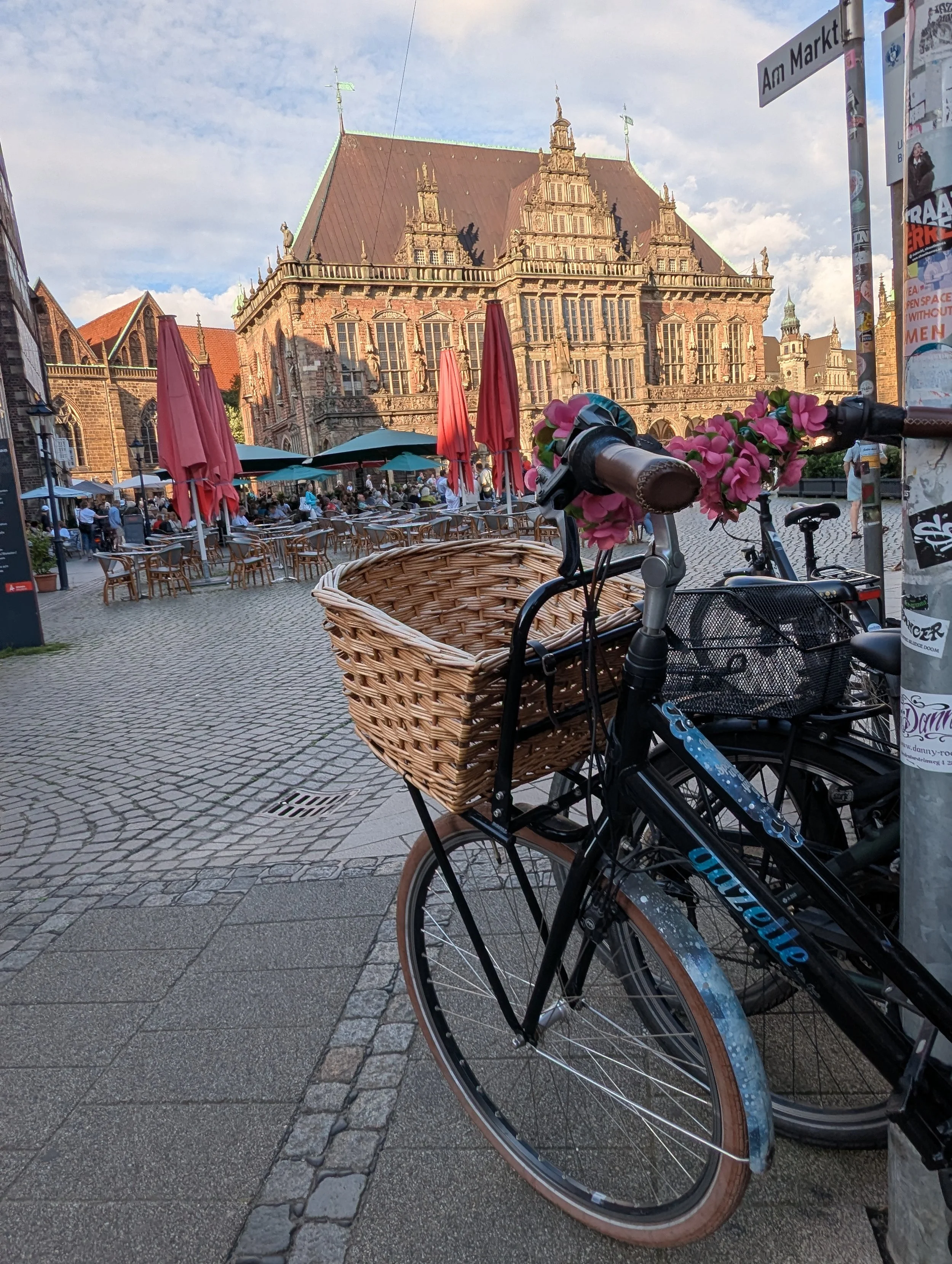
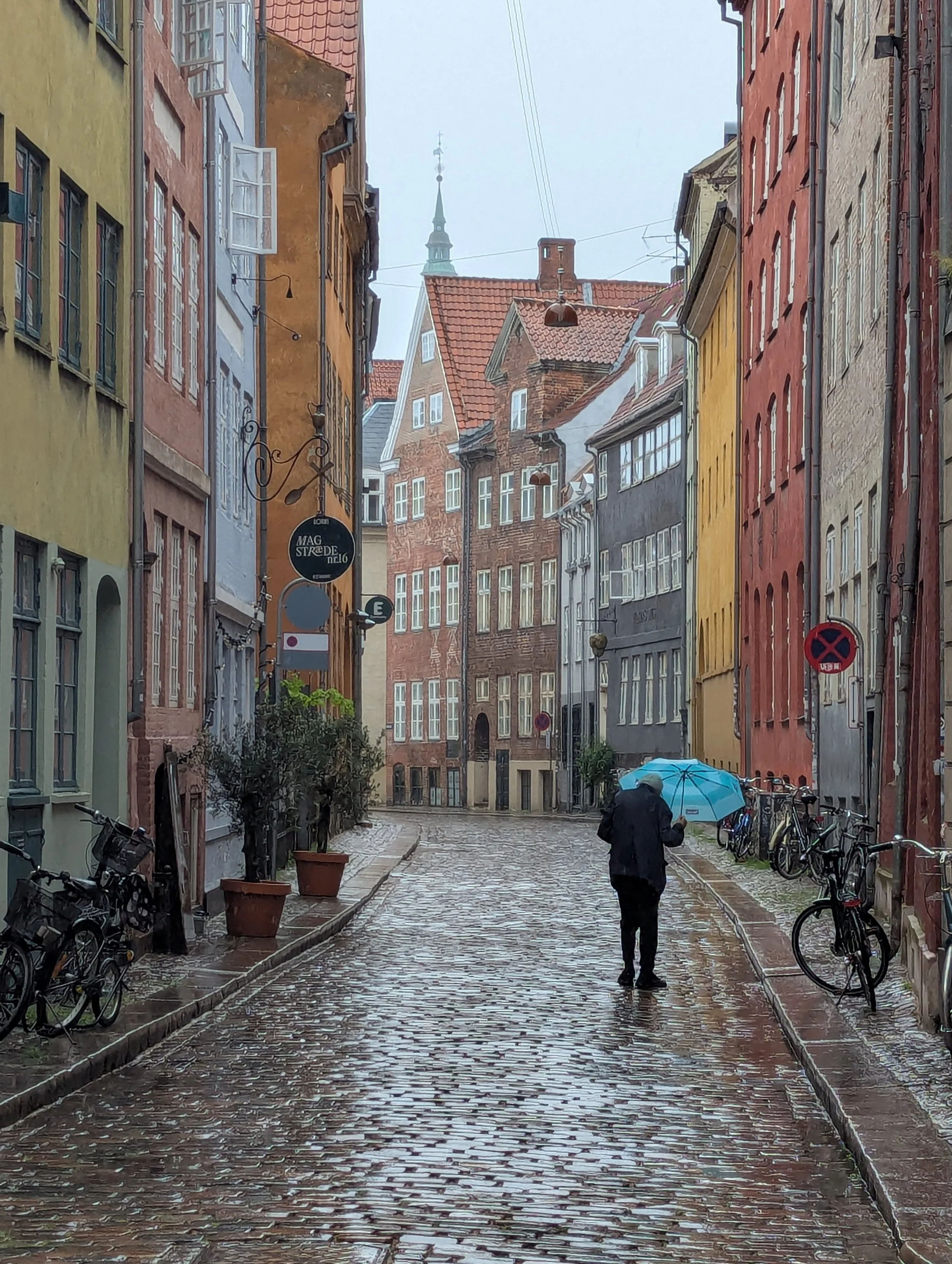
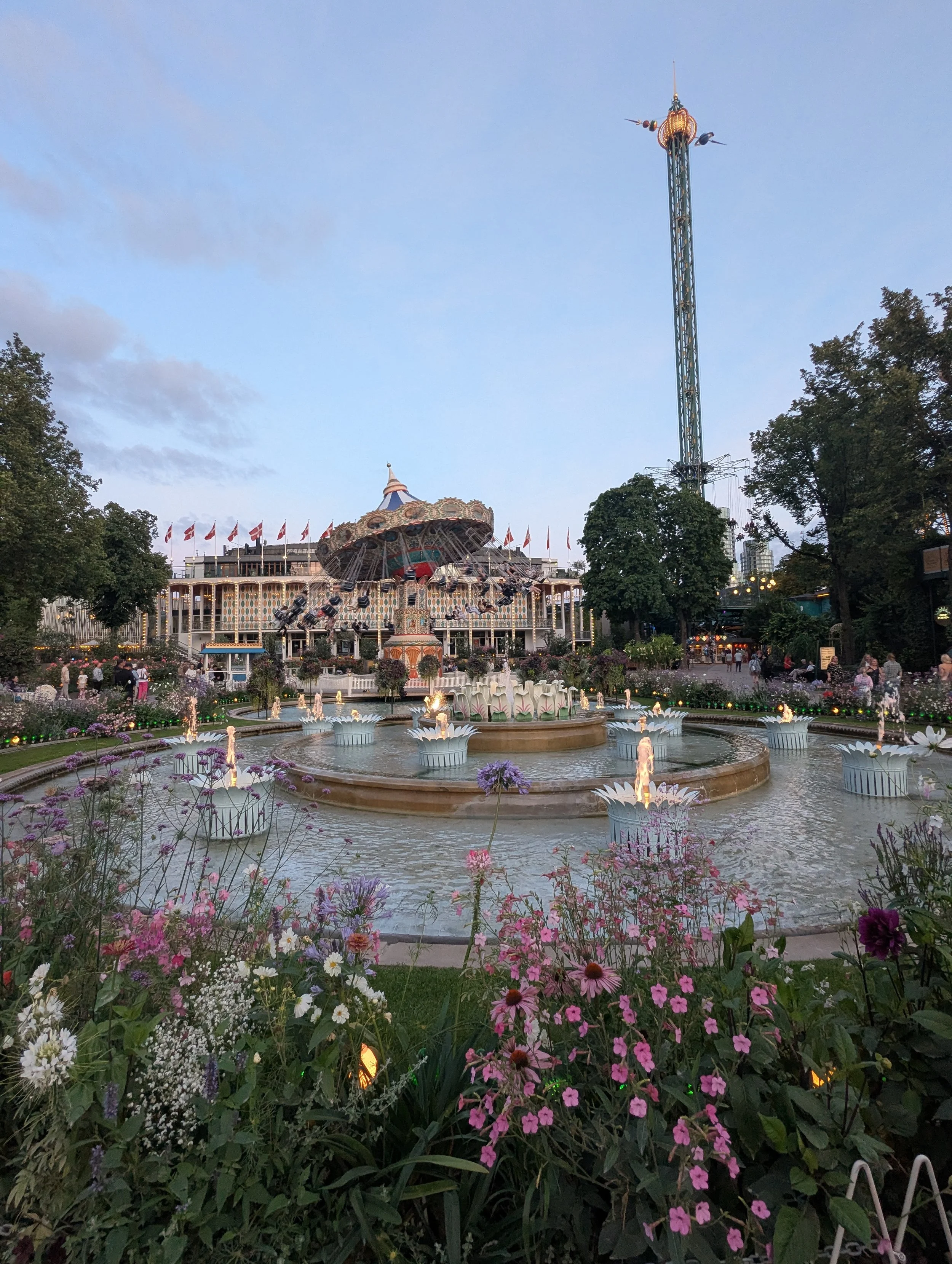
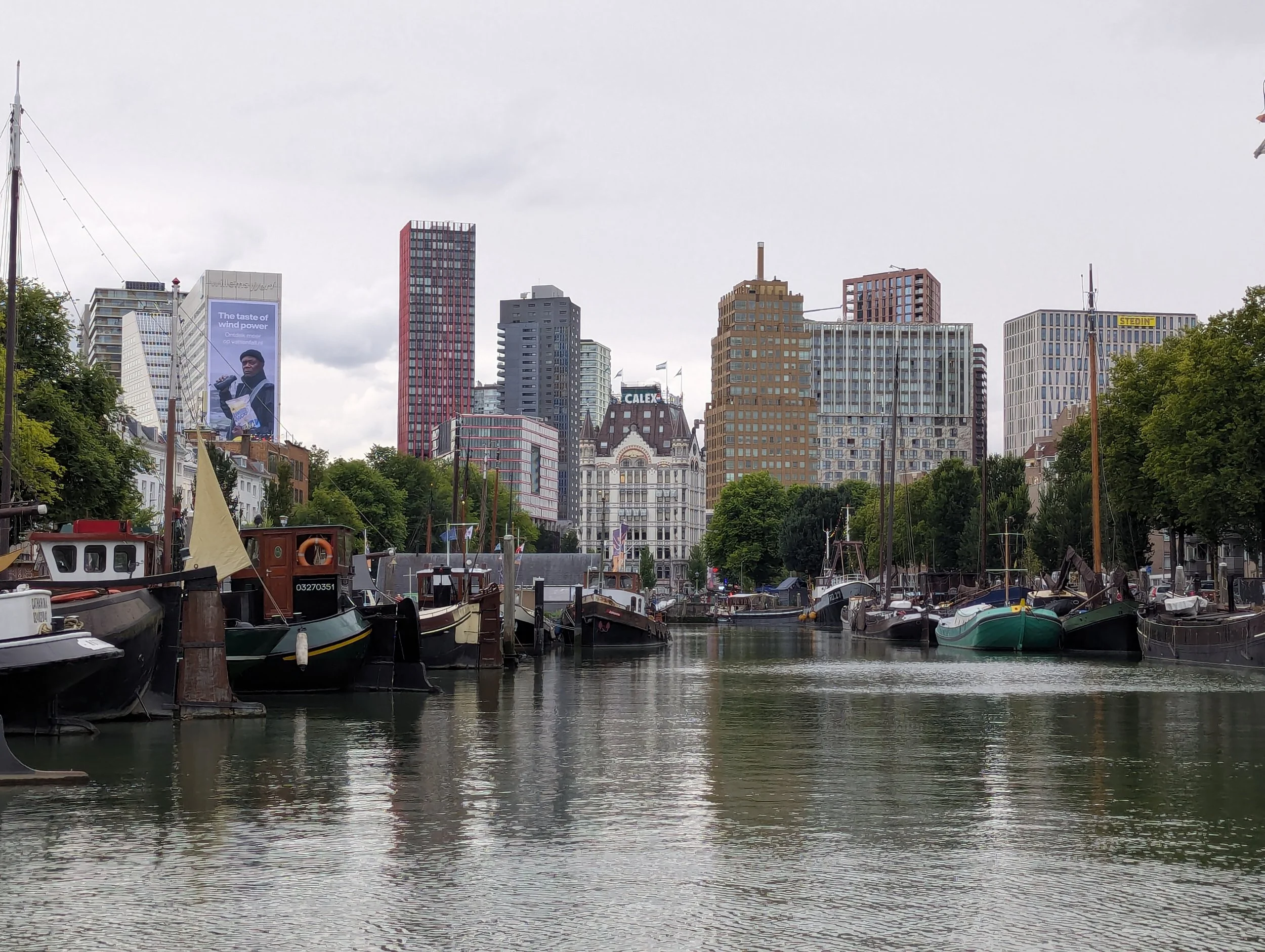
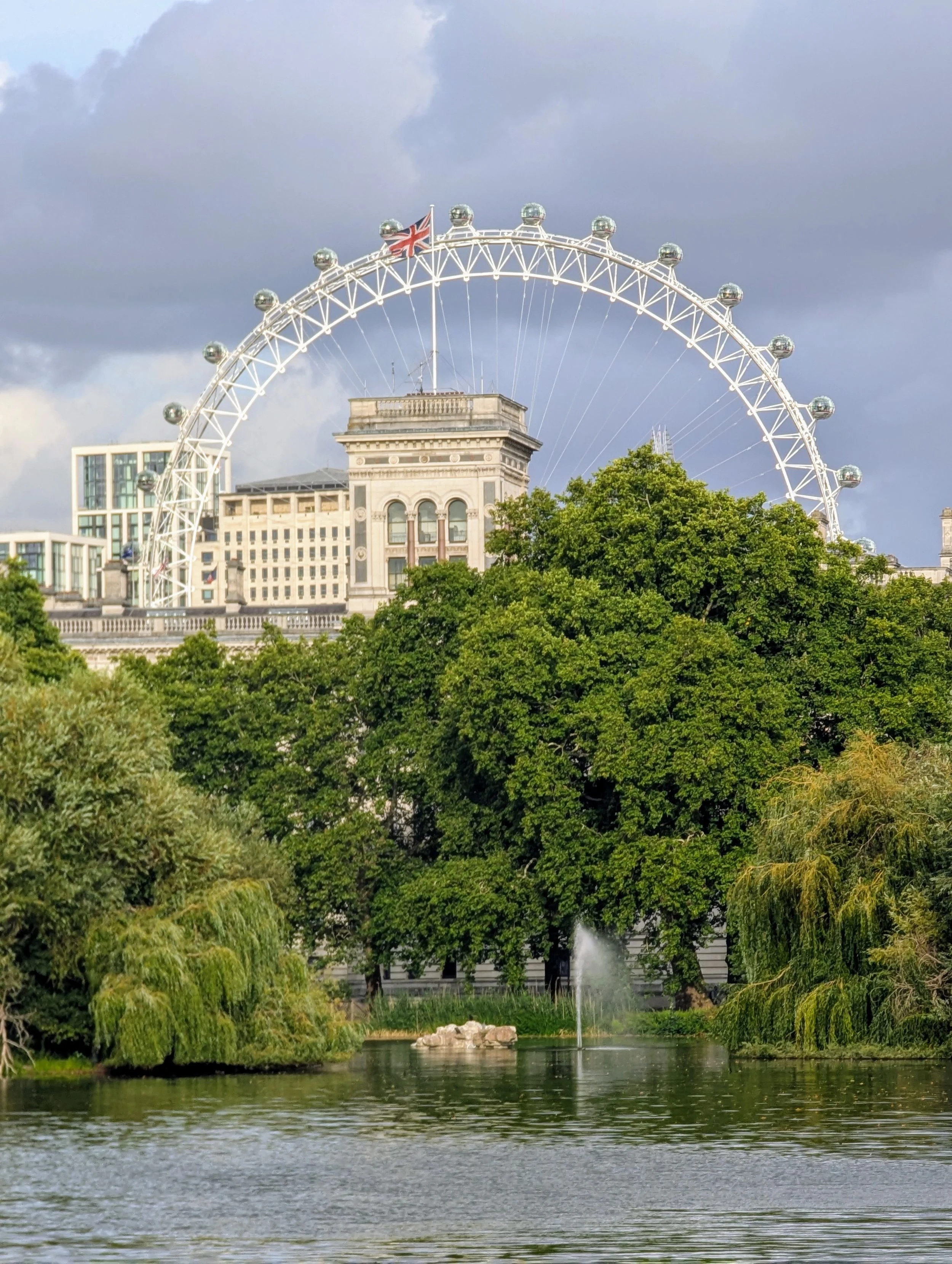
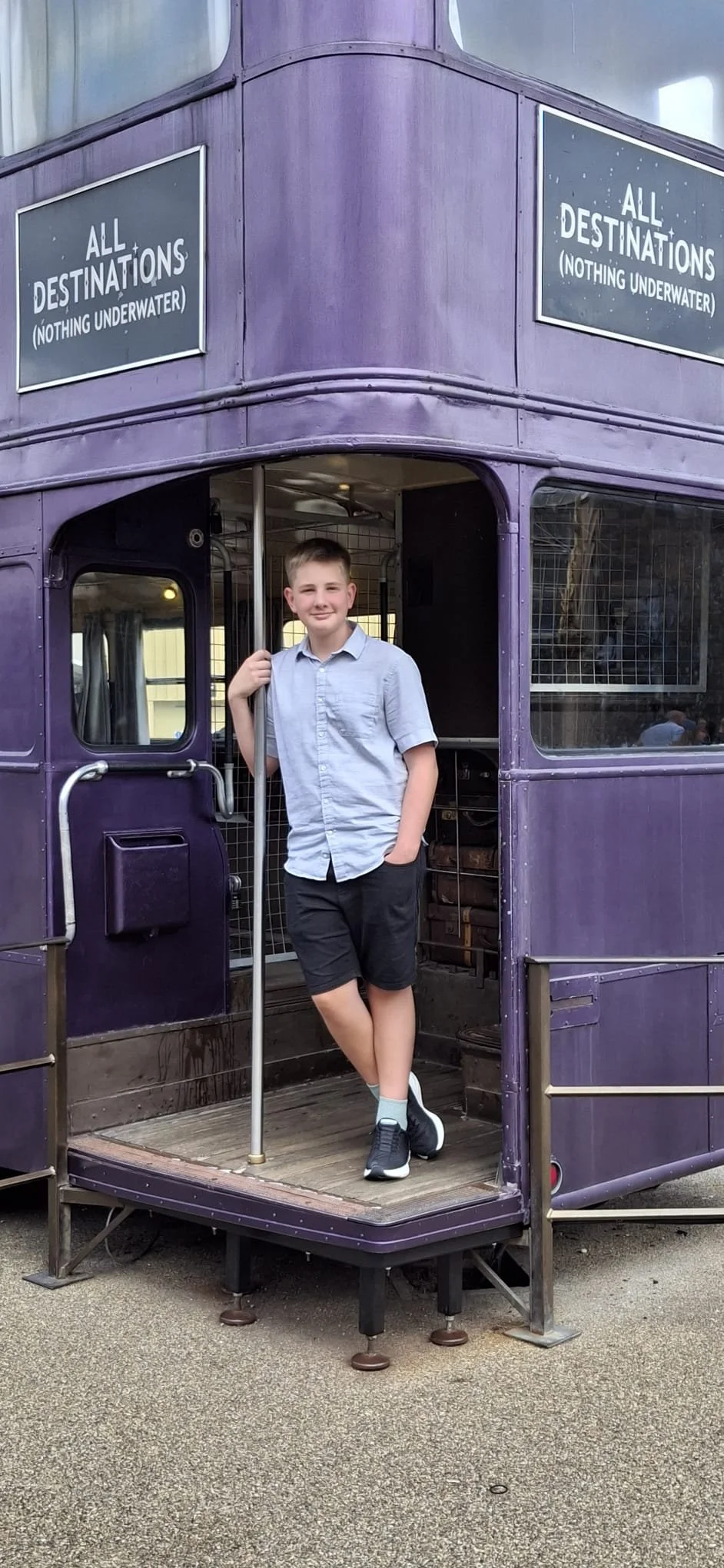
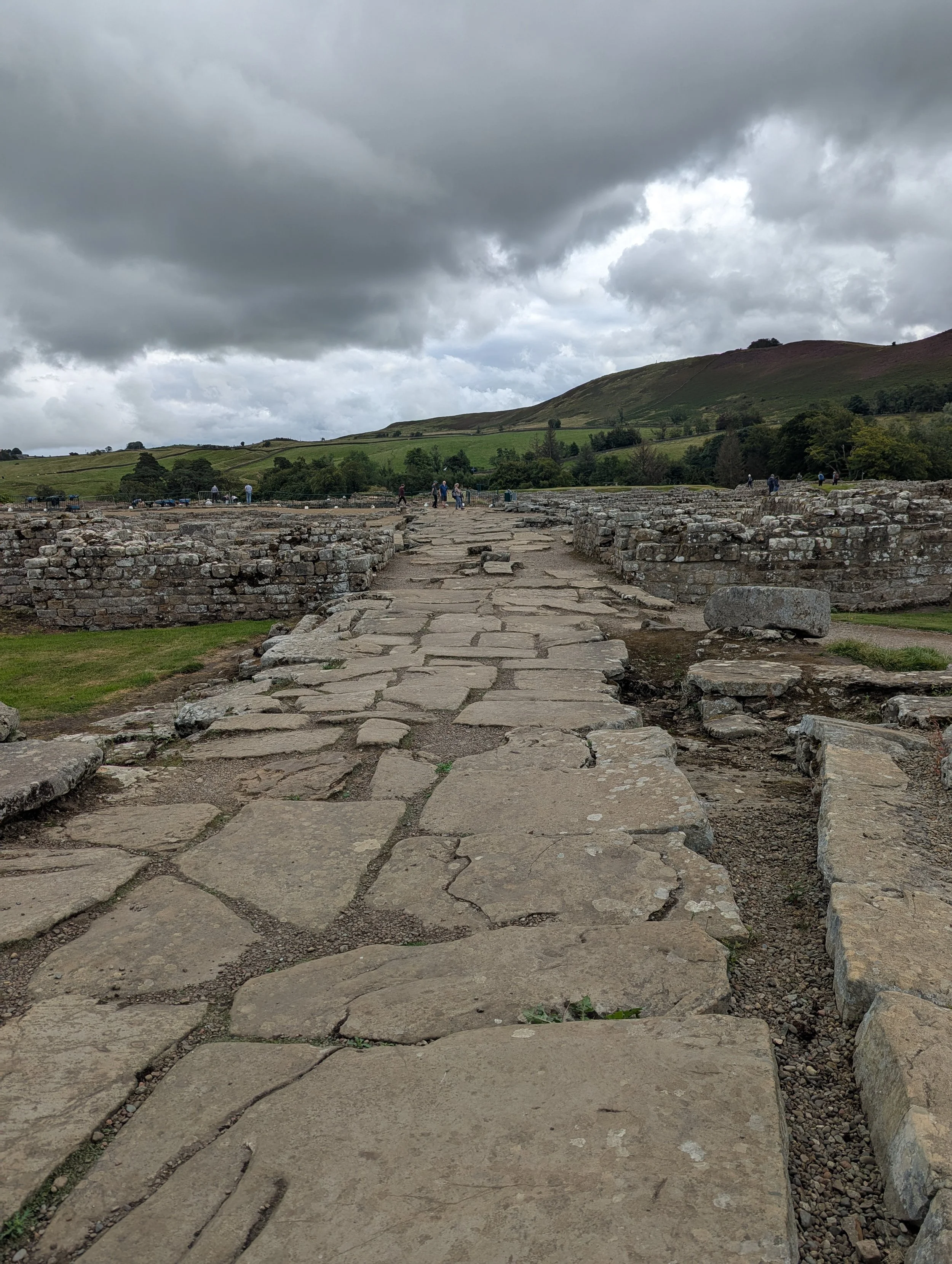
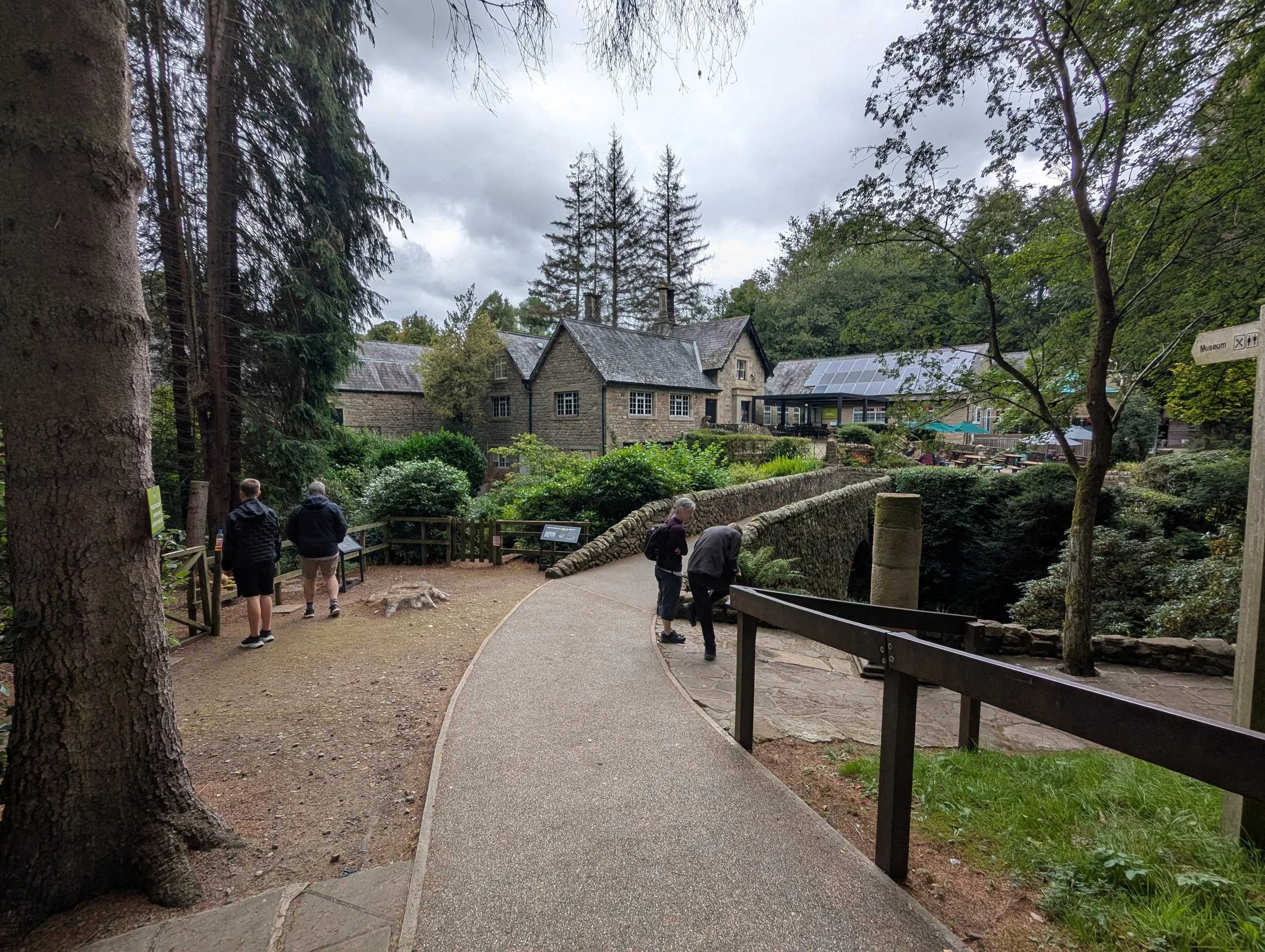
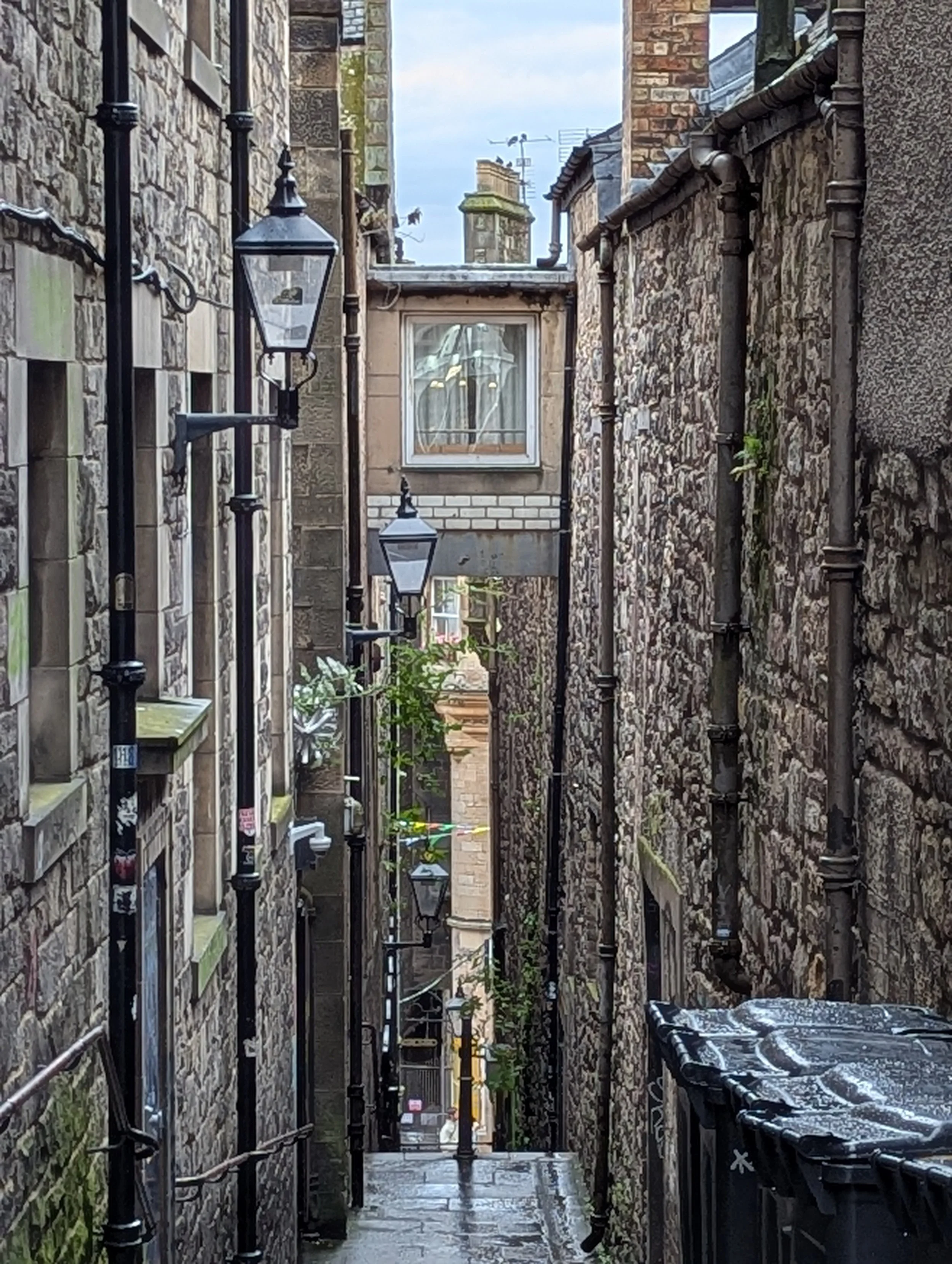
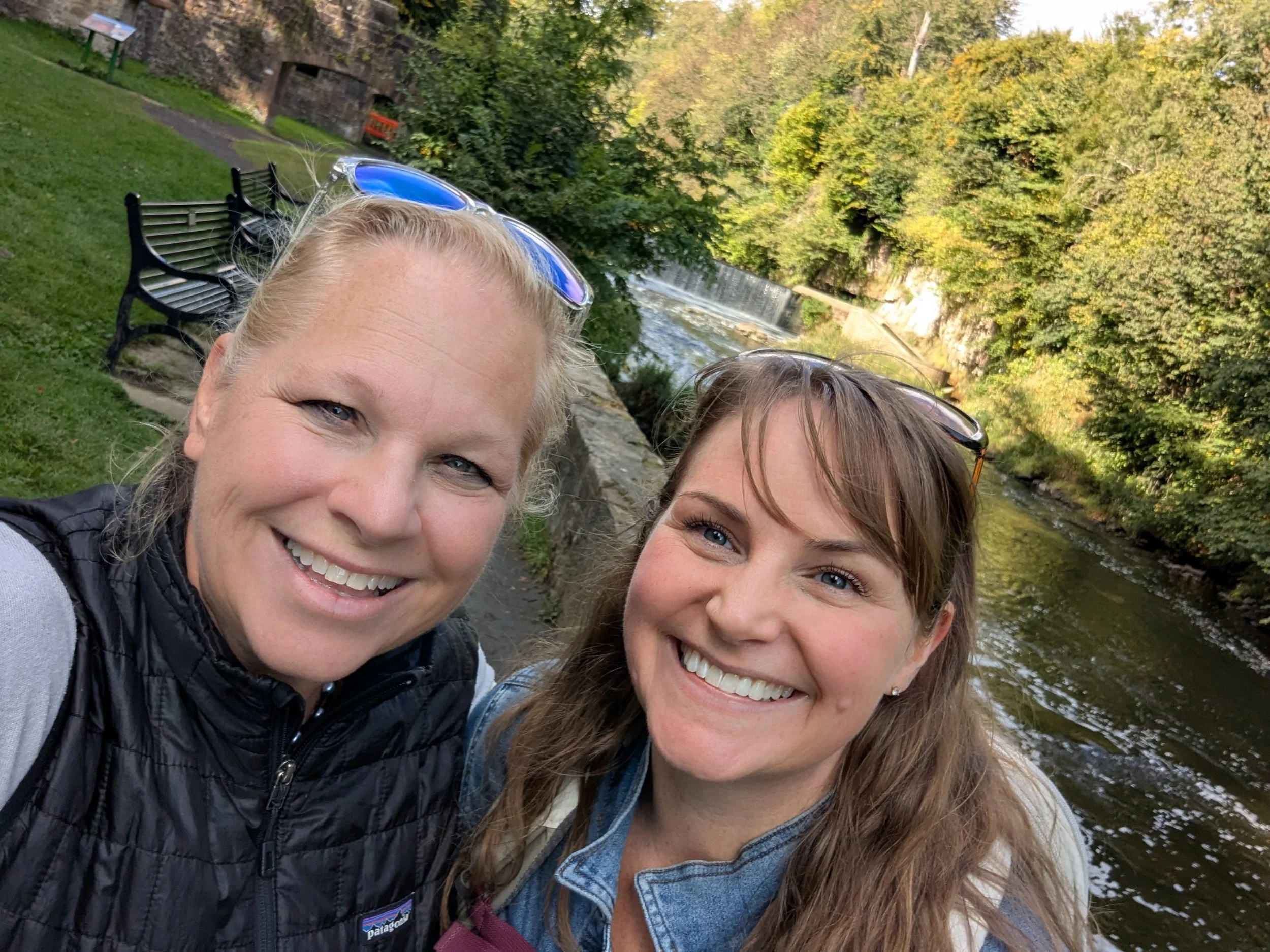
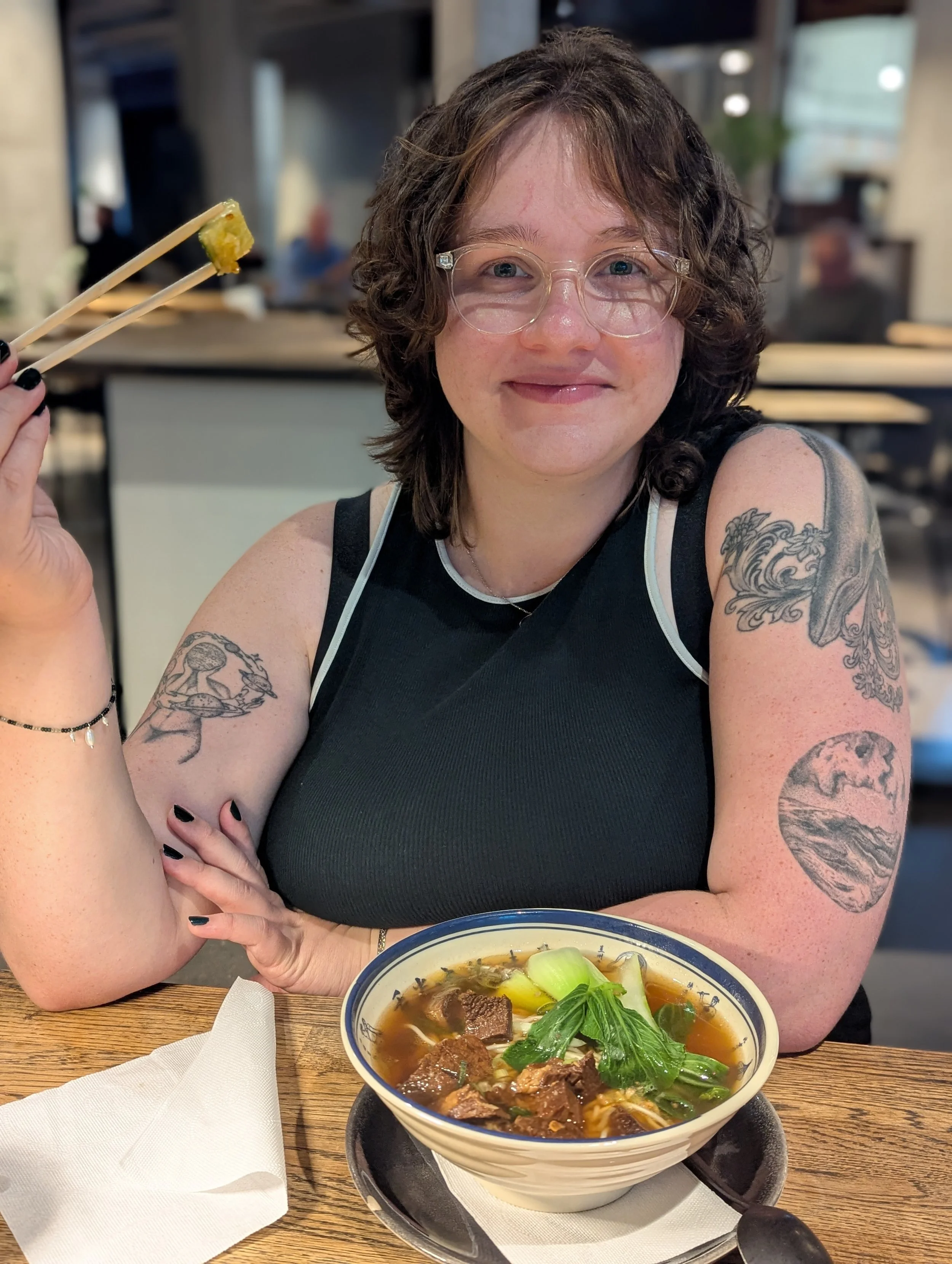
Curious about our 2025 summer road trip through Europe? Enjoy a few photos taken along the way.