When Surviving Is No Longer Enough
Somewhere between writing a book and calculating the cost of publishing it, I began to wonder when surviving becomes living again.
I did not expect that becoming an author would require me to reconsider the cost of staying alive.
There is something almost absurd about that sentence. I have survived cancer. I have spent years studying trauma, human development, and the complicated processes through which people recover from experiences that fundamentally alter their understanding of themselves. I have raised children, supported families, returned to university, completed a graduate degree, and written thousands of words about adaptation, courage, and healing.
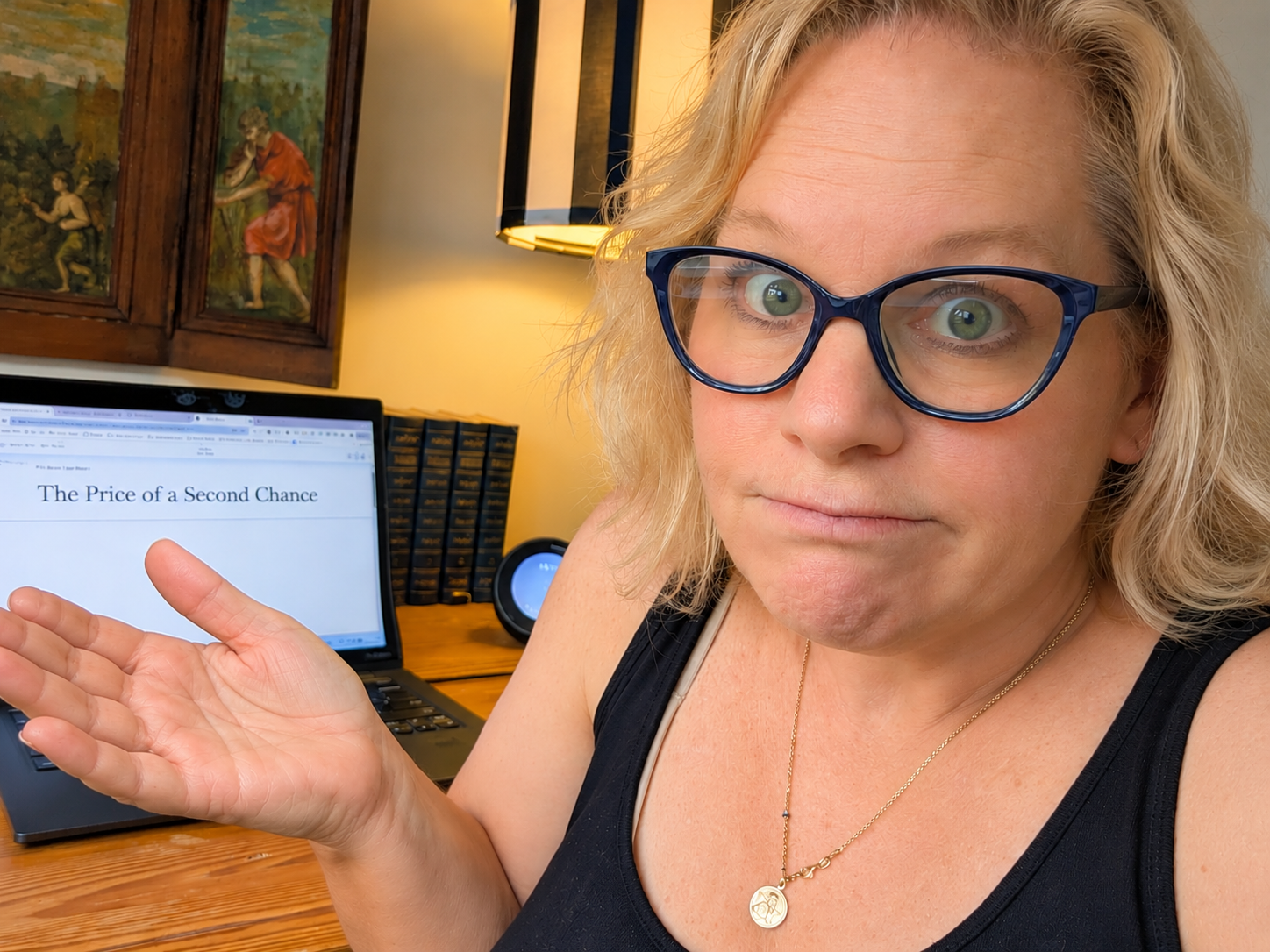
And yet, on an ordinary morning in September, I found myself sitting at my computer, trying to determine whether publishing a book might jeopardize my access to affordable healthcare.
Not because I needed the money. Not because I was planning to abandon my responsibilities or undertake some extraordinary financial gamble.
I simply wanted to publish what I had written.
The irony was difficult to ignore. Much of that writing existed because of the very experiences that had made my health insurance so important. Illness had changed the direction of my life. Recovery had demanded that I reconsider what mattered. The years that followed had given me questions worth investigating, experiences worth understanding, and eventually something I believed might be worth sharing.
Now I was confronting the possibility that doing so could introduce new risks into the life I had worked so carefully to rebuild.
I began asking practical questions. Would publishing make me self employed? Would the number of hours I spent writing matter, even if those hours produced little or no income? Would receiving royalties change my insurance status? Could I publish through an American company instead? Would establishing a company in Germany solve anything, or simply create a different collection of obligations?
Each answer seemed to lead to another question.
Somewhere in the middle of those calculations, I recognized a feeling I knew well. It was the sensation of having one's future reduced to a series of contingencies, of discovering that something deeply personal could depend upon rules written for circumstances that did not quite resemble one's own.
I had encountered that feeling during illness, when medical appointments, treatment decisions, and test results dictated the boundaries of ordinary life. I had encountered it in other forms while studying trauma, particularly in the stories of people whose lives remained organized around the prevention of further harm long after the original danger had passed.
But this was different.
I was not trying to survive another medical crisis.
I was trying to live.
And that distinction began to trouble me.
We speak often about the importance of surviving. We celebrate remission, recovery, resilience, and the extraordinary human capacity to endure. We encourage people to rebuild their lives, find meaning in suffering, and discover new possibilities after profound loss.
But what happens when someone actually attempts to do those things?
What happens when the survivor becomes ambitious again? When the person once defined by vulnerability begins to imagine a future shaped by contribution rather than protection? When gratitude for being alive develops into the desire to do something meaningful with the life that remains?
And what happens when the structures that made survival possible are not necessarily designed to accommodate that transformation?
I do not believe the answer is simply that institutions fail us. Healthcare systems, disability protections, and social insurance programs exist because human vulnerability is real. Their protections matter. For many people, they make the difference between stability and catastrophe.
The problem is more complicated, and perhaps more human.
Sometimes the things that keep us safe also become things we are afraid to lose.
Sometimes independence carries consequences that dependence does not. And sometimes, long after the immediate danger has passed, we discover that survival has left us negotiating for permission to begin again.
That morning, I had set out to answer a question about publishing. By the time I closed my computer, I was beginning to understand that I had been asking something else entirely.
When does surviving become living again?
And who gets to decide?
About the Author
Leigh William, MSc, is an integrative therapist, author, and early life expert whose work explores how our earliest experiences, relationships, and life transitions shape emotional well being throughout adulthood. With nearly three decades of experience supporting individuals and families, she brings together psychological scholarship, lived experience, and a deeply human perspective on trauma, adaptation, and healing.
A cancer survivor, mother, and grandmother, Leigh writes about the often overlooked spaces between surviving and living, resilience and vulnerability, and the courage required to redefine ourselves when life takes an unexpected turn.
Her forthcoming book, Beyond Adaptation: Understanding the Patterns That Shape Our Lives, examines the experiences, relationships, and often unconscious patterns that influence how we think, feel, and respond to the world. Bridging psychological research with personal reflection, the book invites readers to recognize the patterns that have shaped their lives and consider what becomes possible when those patterns are better understood.
Originally from the United States and now based in Germany, Leigh continues her writing, research, and work in integrative healing.
Explore her writing and upcoming publications at LeighWilliam.com.
